Story Highlights
Donald Trump administration officials say trade discussions with China are continuing.
Talks could pave the way for a potential meeting between Trump and Xi Jinping.
Negotiations focus on tariffs, supply chains, and long‑term economic stability.
What Happened
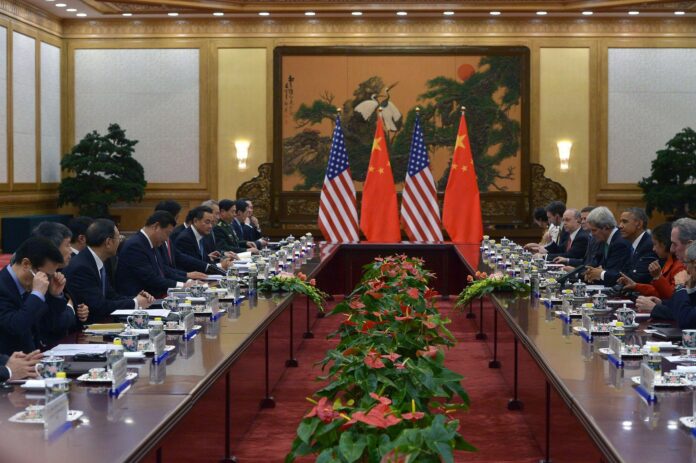
Officials from the United States and China are preparing for a new round of economic discussions that could set the stage for a potential meeting between President Donald Trump and Chinese President Xi Jinping. The talks are expected to address several long‑standing issues in the economic relationship between the world’s two largest economies, including tariffs, trade imbalances, and supply‑chain security.
According to reporting from Reuters, economic representatives from both countries have indicated that preparations for further dialogue are underway. These discussions are intended to maintain communication channels between Washington and Beijing while addressing trade policies that have shaped the bilateral relationship in recent years.
The Trump administration has repeatedly emphasized the importance of balanced trade relationships. Officials say the current approach combines strong economic policy with continued diplomatic engagement, allowing negotiations to proceed while protecting American economic interests.
Why It Matters
Trade relations between the United States and China influence global markets more than almost any other bilateral relationship. Together, the two economies account for a substantial share of global production, manufacturing output, and consumer demand.
Changes in tariffs, export controls, or trade regulations between Washington and Beijing can ripple across international supply chains. Industries ranging from agriculture and manufacturing to technology and energy closely monitor developments in U.S.–China trade relations.
For American businesses, the outcome of negotiations can determine market access, regulatory requirements, and long‑term investment decisions. Many companies depend on stable trade policies to plan production and maintain international partnerships.
Political and Geopolitical Context
The Trump administration has consistently framed its economic strategy toward China as focused on fairness and strategic competition. Policymakers argue that stronger negotiating positions help ensure trade agreements better reflect U.S. economic priorities.
At the same time, dialogue between the two countries remains important for global economic stability. Even during periods of tension, maintaining diplomatic channels allows both sides to address disputes and prevent misunderstandings that could disrupt international markets.
Geopolitically, economic engagement between Washington and Beijing intersects with broader strategic competition in areas such as technology development, supply‑chain security, and critical resources. As a result, trade negotiations often carry implications that extend beyond economics alone.
Implications
If ongoing discussions lead to tangible progress, they could help stabilize global markets and reduce uncertainty surrounding international trade. Continued engagement between the United States and China may also create opportunities for broader diplomatic dialogue. However, given the complexity of the relationship, meaningful agreements will likely require sustained negotiations and careful coordination between both governments.
Sources
U.S., China officials prepare new trade talks amid economic tensions