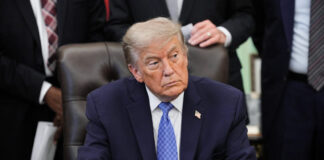
The Iran Negotiation Standoff
In a startling shift in diplomatic strategy, former President Donald Trump has once again made headlines by dismissing the importance of Iran negotiations in the broader context of 2025 U.S. foreign policy. This stance reflects a significant departure from the diplomatic approaches embraced by previous administrations, which viewed engagement with Iran as crucial to regional stability and global security. The implications of this shift are poised to reverberate across international relations and could redefine the landscape of Middle Eastern diplomacy.
Redefining Diplomatic Priorities
Trump’s overt dismissal of Iran negotiations is not merely a rhetorical flourish but a calculated move that aligns with his broader geopolitical philosophy. His approach appears to underscore a preference for bilateral agreements over multilateral diplomacy, reflecting a pivot from engagement to confrontation. This stance is notable given the historical significance of the Iran nuclear deal, formally known as the Joint Comprehensive Plan of Action (JCPOA), which was designed to curtail Iran’s nuclear capabilities in exchange for lifting economic sanctions.
Trump’s decision to withdraw the United States from the JCPOA in 2018 set a precedent for a more hawkish foreign policy, prioritizing economic sanctions and military deterrence over dialogue. The implications of this strategy have been profound, with Iran advancing its nuclear program and regional tensions escalating.
Strategic Repercussions for Global Diplomacy
- Increased Regional Instability: A lack of diplomatic engagement could exacerbate tensions in the Middle East, potentially leading to increased conflict and instability.
- Strained U.S.-Allied Relationships: European allies, many of whom are committed to the JCPOA, may find themselves at odds with the U.S., complicating transatlantic relations.
- Enhanced Iranian Influence: With diminished diplomatic channels, Iran may seek to bolster its influence through alliances with non-Western powers such as China and Russia.
- Proliferation Risks: Without negotiations, the risk of nuclear proliferation in the region could become a significant concern, heightening global security risks.
Historical Context and Policy Evolution
- The JCPOA Framework: Established in 2015, the JCPOA was a landmark agreement involving Iran and P5+1 countries (the U.S., UK, France, Russia, China, and Germany).
- Trump’s Withdrawal: In May 2018, Trump officially announced the U.S. withdrawal from the JCPOA, citing its ineffectiveness in curbing Iran’s regional activities and ballistic missile program.
- Economic Sanctions: The re-imposition of sanctions under the Trump administration aimed to cripple Iran’s economy, reducing its ability to fund proxy groups across the region.
- Regional Power Struggles: Iran’s response to increased U.S. pressure has included bolstering its nuclear activities, fueling a new arms race in the Middle East.
Navigating an Uncertain Future
As the 2025 foreign policy landscape unfolds, the absence of U.S.-Iran negotiations presents a series of complex challenges and potential pathways. Analysts speculate that Trump’s strategy could lead to a recalibration of alliances, with countries in the Middle East seeking new partnerships to balance against an assertive Iran. Public reaction to this policy shift has been mixed, with some advocating for renewed negotiations to prevent further escalation, while others support a hardline approach as a means to ensure American security interests.
Moving forward, the international community will be closely monitoring the ramifications of this policy direction. The potential for renewed diplomatic efforts remains, albeit under different terms and conditions, should the geopolitical landscape shift in response to changing global dynamics.