Story Highlights
- U.S. increases military deployment in key maritime corridor
- Focus on securing global trade and energy routes
- Strategy aims to deter disruptions and maintain stability
What Happened
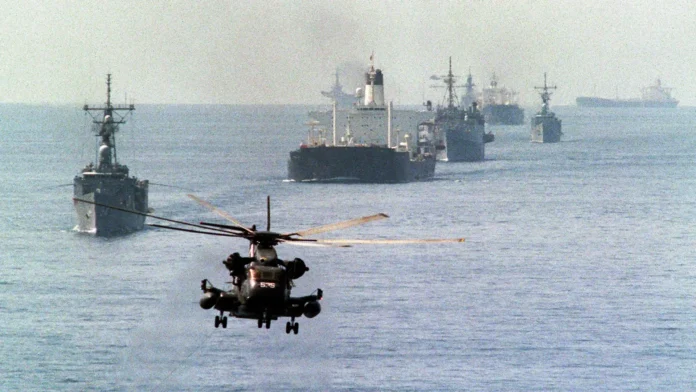
The United States has strengthened its military presence in the Strait of Hormuz, a critical global shipping route, as part of a broader strategy aligned with President Trump’s national security approach. The deployment includes naval assets positioned to monitor and protect commercial traffic.
Officials indicate that the move is intended to ensure the safe passage of vessels through the region, which handles a significant portion of the world’s oil shipments. Increased patrols and surveillance operations are being conducted to maintain security.
The decision comes amid heightened regional tensions and concerns about potential disruptions to global trade. By reinforcing its presence, the United States aims to deter threats and maintain control over a strategically important corridor.
The situation continues to evolve, with international stakeholders closely observing developments in the region.
Why It Matters
The Strait of Hormuz is one of the most important maritime routes in the world, making its security essential for global economic stability. Disruptions in this area can have immediate effects on oil prices and supply chains.
For businesses, stable shipping routes are critical for maintaining operations and managing costs. For consumers, disruptions can lead to higher fuel prices and increased expenses.
The development also highlights the importance of maritime security in supporting global trade. Protecting key routes ensures the smooth flow of goods and resources.
Additionally, the move reflects efforts to manage risks in a region that plays a central role in the global energy market.
Political and Geopolitical Impact
Domestically, the increased military presence may influence discussions about national security and foreign policy priorities. Decisions related to deployment often shape political narratives.
The issue also affects public perception, particularly regarding the role of the United States in maintaining global stability.
Geopolitically, the deployment has significant implications, as multiple countries rely on the Strait of Hormuz for energy transport. The move may influence regional dynamics and international relationships.
The situation underscores the interconnected nature of global security and economic interests.
Implications
If the deployment is effective, it could help prevent disruptions and maintain stability in global energy markets. This would support both economic conditions and international confidence.
However, the situation remains sensitive, and continued monitoring will be necessary to manage potential risks. Escalation remains a possibility.
In the long term, the focus on strategic routes highlights the importance of proactive security measures. Ensuring stability in key regions will remain a priority.
Sources
“U.S. increases military presence in Strait of Hormuz amid rising tensions”