Story Highlights
- Trump indicates Iran deal could come “as soon as Monday.”
- Signals active backchannel diplomacy amid rising tensions
- Potential breakthrough could reshape Middle East dynamics
What Happened
President Donald Trump indicated that a potential agreement with Iran could materialize rapidly, possibly within days. Speaking in a media interaction reported by Fox News and covered by Reuters, Trump suggested that negotiations are progressing faster than expected. While details remain limited, the tone of the remarks points to active and ongoing diplomatic engagement behind the scenes.
This development comes at a time when tensions in the Middle East have remained elevated, particularly around nuclear concerns and regional influence. Trump’s comments indicate that his administration—or aligned negotiators—may be leveraging direct or indirect communication channels to accelerate discussions. The emphasis on a near-term timeline signals confidence that sticking points may already be addressed or nearing resolution.
Why It Matters
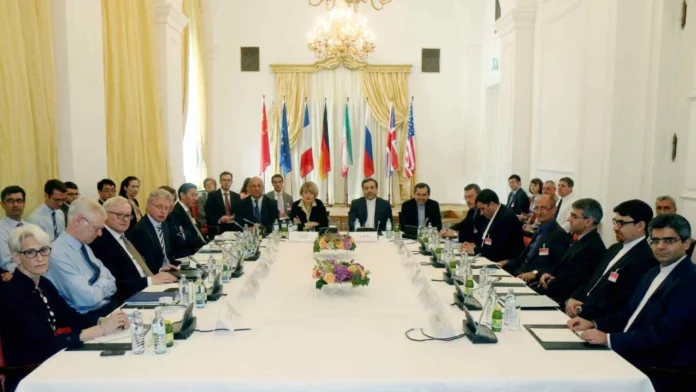
A potential deal with Iran carries significant implications for global security and energy markets. For years, negotiations around Iran’s nuclear program have been a focal point of international diplomacy, involving not just the United States but also European and regional stakeholders. A rapid agreement could de-escalate tensions, reduce the risk of military confrontation, and stabilize oil markets that often react sharply to geopolitical uncertainty.
From a policy standpoint, Trump’s approach appears to favor swift, results-driven negotiations rather than prolonged diplomatic cycles. This aligns with his broader foreign policy style, which has often emphasized direct engagement and decisive outcomes. If successful, such a deal could be framed as a major diplomatic achievement, reinforcing a narrative of strong leadership in handling complex international issues.
Geopolitical Implications
The ripple effects of a U.S.-Iran agreement would extend beyond bilateral relations. Countries across the Middle East—including Gulf states and Israel—would closely monitor the terms of any deal, particularly regarding security guarantees and nuclear restrictions. A stabilized U.S.-Iran relationship could also influence regional alliances and reduce proxy conflicts that have defined the region in recent years.
Additionally, global powers such as Russia and China may recalibrate their strategies depending on the outcome. If the U.S. reasserts diplomatic influence in the region, it could shift the balance of power and reshape ongoing geopolitical competition. The speed of the potential agreement also suggests a strategic push to secure results before broader international dynamics evolve further.
Implications
If finalized quickly, this deal could mark a turning point in one of the world’s most persistent geopolitical standoffs. It would signal a shift from prolonged uncertainty to actionable diplomacy, potentially lowering global risk levels. However, the durability of such an agreement will depend heavily on enforcement mechanisms and long-term compliance from all parties involved.