
Story Highlights
- President Trump expresses willingness to collaborate with Democrats on healthcare.
- His comments signal potential for bipartisan progress following the midterm elections.
- Incoming lawmakers, including Sen.-elect Abdul El-Sayed, are eager to engage in discussions.
- Trump aims to avoid vetoing legislation, indicating a desire for comprehensive solutions.
What Happened
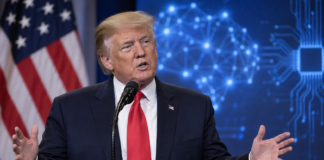
President Trump has recently indicated a notable shift in his approach to healthcare policy, expressing a willingness to collaborate with Democrats following their significant victories in the midterm elections. This development comes as the Democratic Party has regained control of both the House and Senate, creating a new political landscape that could facilitate bipartisan efforts on pressing issues, particularly healthcare. During a press conference at his Mar-a-Lago estate, the president stated, ‘I have a feeling we’re going to end up with a very bipartisan relationship with the Democrats.’ His optimism reflects a strategic pivot aimed at fostering cooperation rather than confrontation. The president emphasized the importance of addressing various issues, including healthcare, and expressed hope that meaningful progress could be achieved. He noted, ‘I hope so, where we can take care of a lot of different things, healthcare and so many other things, and get them done.’
- Trump made his comments at Mar-a-Lago on Thursday.
- He indicated that Democrats are reaching out to avoid his veto power.
- Incoming Sen.-elect Abdul El-Sayed is advocating for a single-payer healthcare system.
- Trump has previously worked with Democrats on COVID-funding packages during his first term.
Why It Matters
The implications of President Trump’s willingness to engage with Democrats on healthcare are significant. For years, healthcare has been a contentious issue in American politics, often leading to partisan gridlock. Trump’s comments suggest a potential thawing of relations between the two parties, which could pave the way for substantial reforms in the healthcare system. By signaling his openness to collaboration, the president is not only positioning himself as a leader willing to work across the aisle but also as someone who prioritizes the needs of the American people over political rivalry. This approach could lead to the development of comprehensive healthcare solutions that address the concerns of millions of Americans who struggle with access to affordable healthcare. The president’s remarks also indicate a desire to avoid the use of his veto power, which he described as ‘a very strong power.’ He stated, ‘I’m not looking to veto everything for two years, and that’s not what they want either.’ This willingness to compromise could foster a more productive legislative environment, allowing for the passage of meaningful healthcare reforms.
- Potential bipartisan collaboration could lead to significant healthcare reforms.
- Millions of Americans could benefit from improved access to affordable healthcare.
- A cooperative approach may reduce political tensions and foster a more productive legislative environment.
- Trump’s willingness to engage with Democrats could reshape the political landscape in Washington.
Political and Public Context
Understanding the context of President Trump’s comments is essential to grasp the potential impact of this shift in strategy. The midterm elections resulted in a decisive victory for the Democratic Party, which has renewed its focus on healthcare as a central issue. Incoming lawmakers, particularly Sen.-elect Abdul El-Sayed from Michigan, have made healthcare a cornerstone of their campaigns. El-Sayed has been vocal about his support for a single-payer healthcare system, often referred to as ‘Medicare for All.’ He has even suggested rebranding this initiative as ‘TrumpCare’ to garner the president’s support. This unique approach highlights the potential for collaboration, as both parties recognize the need for comprehensive healthcare solutions. Trump’s previous experience working with Democrats on COVID-funding packages during his first term serves as a precedent for future cooperation. His administration successfully navigated bipartisan negotiations to secure funding for pandemic relief, demonstrating that collaboration is possible even in a polarized political environment.
- Democrats regained control of Congress in the midterm elections.
- Sen.-elect Abdul El-Sayed is advocating for a single-payer healthcare system.
- Trump has previously collaborated with Democrats on COVID-19 relief funding.
- Healthcare has been a central issue in American politics for years.
Trump signals further openness to working with Democrats on healthcare #TheHill https://t.co/wmYZFXc4oK
— #TuckFrump (@realTuckFrumper) November 27, 2026
What Happens Next
Looking ahead, the potential for bipartisan collaboration on healthcare raises several important questions and possibilities. As President Trump prepares to engage with incoming lawmakers, the specifics of these discussions will be crucial in determining the direction of healthcare policy in the coming years. The president’s willingness to meet with Sen.-elect El-Sayed regarding his ‘Medicare for All’ plan indicates a commitment to exploring new ideas and solutions. However, the timeline for these discussions remains uncertain, and it will be essential to monitor the progress of negotiations. Additionally, the political landscape may continue to evolve as both parties assess their priorities and strategies in the wake of the midterm elections. The potential for bipartisan legislation on healthcare could lead to a series of significant developments, including the introduction of new bills, public hearings, and collaborative efforts to address the pressing needs of the American people.
- Trump and El-Sayed are expected to meet to discuss healthcare plans.
- The timeline for these discussions remains unclear.
- Both parties may introduce new bills addressing healthcare issues.
- Public hearings and collaborative efforts could emerge as part of the legislative process.