Story Highlights
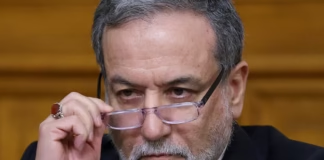
U.S. forces captured Venezuelan leader Nicolás Maduro during a rapid intervention.
President Trump said Washington will temporarily administer Venezuela to restore stability.
Markets reacted as investors reassessed Venezuela’s political and economic outlook.
What Happened
U.S. forces carried out a fast‑moving operation in Venezuela that resulted in the capture of President Nicolás Maduro, according to official statements and reporting from international news agencies. President Trump said the United States would assume temporary administrative control of the country in order to stabilize public order, secure key institutions, and prepare the ground for future political normalization.
Administration officials framed the move as a response to deepening political and economic instability, citing humanitarian stress, governance breakdown, and security risks. They said U.S. authorities would work with international partners to ensure continuity of essential services, protect critical infrastructure, and facilitate a transition process designed to restore basic governance and economic activity.
The announcement immediately drew global attention. Diplomatic channels were activated across the Americas and Europe as governments sought clarification on timelines, scope of authority, and next steps. Markets, meanwhile, began repricing Venezuelan assets in anticipation of potential changes to sanctions, oil production, and foreign investment access.
Why It Matters
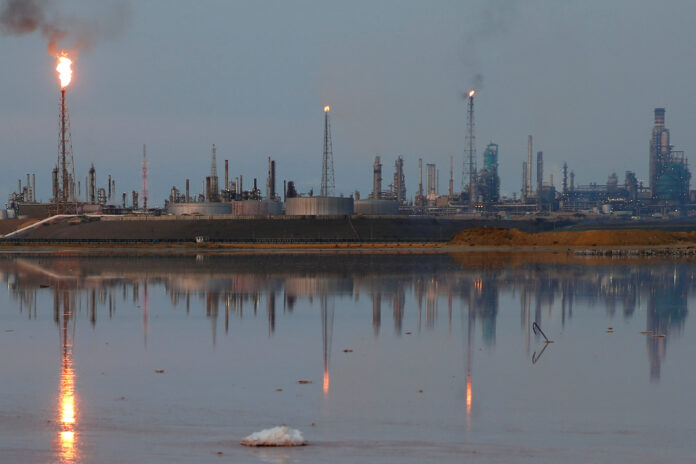
Venezuela holds the world’s largest proven oil reserves, making any shift in its governance structure highly significant for global energy markets. Stability in Venezuela can influence crude supply flows, refinery inputs in the Caribbean and U.S. Gulf Coast, and fuel pricing across the region.
For Venezuelans, a stabilization process could help reopen access to humanitarian assistance, restore basic services, and begin rebuilding institutional capacity. For U.S. consumers and businesses, the prospect of normalized energy relations could contribute to longer‑term fuel‑supply security.
From a geopolitical standpoint, the move underscores Washington’s central role in Western Hemisphere security and diplomacy, reinforcing U.S. influence over regional economic and political frameworks.
Political and Geopolitical Implications
Politically, Trump’s decision signals a willingness to use decisive action to address instability in the Americas. Supporters argue that strong intervention may accelerate the return of order, curb organized crime and trafficking networks, and create conditions for economic recovery.
Geopolitically, the operation could reshape alliances and investment patterns across Latin America. It may also influence negotiations with energy producers, alter shipping routes, and affect how global powers position themselves in the Western Hemisphere.
Implications
If managed successfully, temporary U.S. administration could open the door to humanitarian relief, energy‑sector rehabilitation, and eventual political normalization — with ripple effects for oil markets and regional stability.
Sources
Reuters — “U.S. captures Venezuela’s Maduro; Trump says U.S. will run country temporarily”