Story Highlights
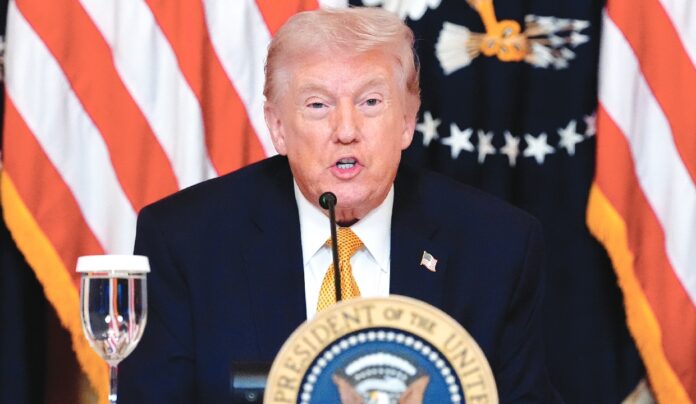
Donald Trump emphasized continued investment in U.S. defense modernization.
The strategy focuses on advanced technology, readiness, and multi-domain capabilities.
Officials say strengthening defense systems supports national security and global stability.
What Happened
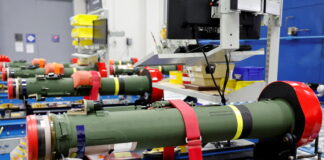
President Donald Trump highlighted ongoing efforts to strengthen U.S. defense capabilities, pointing to continued investments in modernization programs across multiple branches of the military. The administration emphasized upgrades in areas such as advanced weapons systems, cyber defense, and next‑generation military technology.
According to reporting from Reuters, officials said the defense strategy is focused on ensuring that U.S. forces remain prepared to address evolving global security challenges. This includes enhancing operational readiness, improving coordination across military units, and integrating new technologies into defense systems.
The modernization effort also involves upgrading existing platforms while developing new capabilities designed for emerging forms of conflict. Areas such as space operations, cyber security, and autonomous systems are increasingly becoming central components of national defense planning. Officials noted that these investments aim to ensure that U.S. forces can operate effectively across multiple domains.
In addition to technological advancements, the administration emphasized training and preparedness. Military readiness programs are being expanded to ensure that personnel are equipped to handle a wide range of operational scenarios, from traditional missions to more complex, technology-driven environments.
Why It Matters
Defense modernization plays a critical role in maintaining national security. As global threats evolve, military capabilities must adapt to address new challenges, including cyber threats, advanced weapons systems, and rapidly changing geopolitical conditions.
Investments in modern defense systems can enhance deterrence by demonstrating a country’s ability to respond effectively to potential threats. Strong defense capabilities may reduce the likelihood of conflict by discouraging adversarial actions, contributing to broader global stability.
Technological innovation is a key component of modern defense strategies. Advances in areas such as artificial intelligence, satellite systems, and cybersecurity are reshaping how military operations are conducted. By investing in these technologies, governments aim to improve efficiency, precision, and situational awareness.
Defense spending also has economic implications. The sector supports a wide network of industries, including manufacturing, engineering, and research and development. Investments in defense technology often lead to innovations that have applications beyond the military, contributing to broader technological progress.
Political and Geopolitical Context
Defense policy is closely tied to international relations and geopolitical strategy. Governments often adjust military investments based on global developments, alliances, and emerging security challenges.
The Trump administration has emphasized strengthening defense capabilities as part of a broader strategy to maintain U.S. leadership in global security. Supporters argue that maintaining a strong military presence helps protect national interests while supporting allied nations.
At the same time, global security dynamics are becoming increasingly complex. Competition among major powers, regional conflicts, and technological advancements are shaping the strategic landscape. Countries around the world are investing in modernization efforts to ensure they remain prepared for future challenges.
International cooperation also plays a role in defense strategy. Alliances and partnerships allow countries to coordinate security efforts, share intelligence, and enhance collective capabilities. Maintaining these relationships is often seen as essential for addressing global security concerns.
Implications
If current modernization efforts continue, the United States could further strengthen its defense capabilities and maintain a leading position in global military technology. Enhanced readiness and advanced systems may improve the ability of U.S. forces to respond to a wide range of challenges.
In the long term, the success of these initiatives will depend on how effectively new technologies are integrated into existing systems and how well military strategies adapt to evolving conditions. Policymakers will need to balance innovation, cost management, and strategic priorities.
The broader impact extends beyond national security. Continued investment in defense technology may drive innovation across industries, contributing to advancements in areas such as aerospace, cybersecurity, and communications.
Sources
Trump administration emphasizes continued investment in U.S. defense modernization