Story Highlights
Interior paused five major offshore wind leases citing military radar “clutter” concerns.
Developers and states face financing uncertainty as projects await federal mitigation talks.
The decision intensifies the administration’s energy shift toward reliability and security arguments.
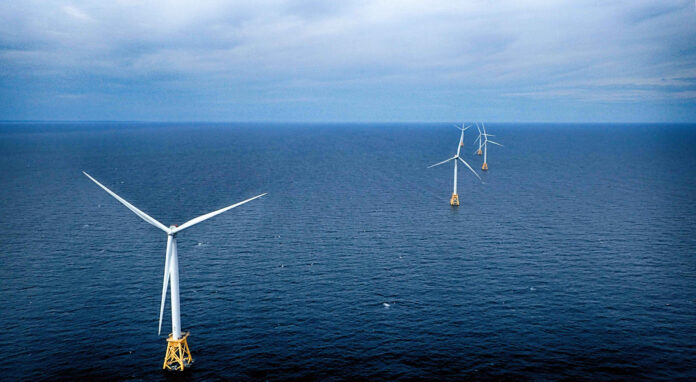
The Trump administration moved to pause leases for five large offshore wind projects along the East Coast, citing concerns raised by the Pentagon about potential interference with military radar systems. The Interior Department’s announcement framed the action as a national-security precaution—arguing turbine blades and reflective structures can create radar “clutter,” complicating detection and operations. The move is a significant escalation because it targets the leasing foundation of projects, not just permits or timelines.
What happened is a direct policy intervention: the federal government says it will halt progress on named projects while agencies, developers, and state partners explore mitigation options. Reporting identified projects, including Orsted’s Revolution Wind and Sunrise Wind, Vineyard Wind 1, Dominion’s Coastal Virginia Offshore Wind (Commercial), and Equinor’s Empire Wind 1, as among those affected. In markets, the pause rattled investor confidence—highlighting how regulatory uncertainty can swing valuations and financing assumptions for capital-heavy energy infrastructure.
Why it matters is bigger than wind. The administration has made “energy reliability” and “national security” central themes, and offshore wind has become a focal point for that argument. In this framing, the issue is not whether renewables should exist, but whether specific installations near dense coastal corridors and strategic military assets introduce risk. For supporters, the pause is presented as a rational “safety first” review—an insistence that defense readiness and surveillance capacity are not negotiable. That message resonates particularly in an era where adversary technology is evolving quickly, and military planners are increasingly wary of nontraditional interference.
At the same time, offshore wind supporters warn the move undermines long-planned clean energy targets and threatens jobs tied to construction, port upgrades, and supply chains. Developers argthat ue many projects already undergone extensive review, including national-security coordination, and that sudden lease pauses inject uncertainty into long-term planning. That uncertainty is costly: multi-billion-dollar projects depend on stable assumptions about timelines, tax equity, offtake agreements, and regulatory consistency. When those assumptions break, the cost of capital rises—sometimes enough to stall a project even if the pause later lifts.
Politically, this action fits a broader administration approach: reset energy policy toward dispatchable fuels and reduce federal support for offshore wind. The administration’s critics view that as ideological. Its supporters see it as corrective, arguing earlier approvals were rushed and that taxpayers and ratepayers shouldn’t bear the risk if projects are not dependable or could compromise security. The next phase will likely hinge on what “mitigation” means in practice: radar upgrades, turbine placement changes, operational restrictions, or potentially a longer-term rollback.
Implications
This pause could become a template for using national-security review as a gatekeeper for major infrastructure—especially where defense systems and coastal buildouts overlap. If the government produces a credible mitigation path, projects may resume with new constraints. If not, the offshore wind sector may face a prolonged chill in U.S. financing and development.
Sources