Story Highlights
Enhanced ACA subsidies are set to expire Dec. 31, risking premium spikes for many enrollees.
The stalemate is now sliding into early January, with potential coverage losses in play.
The debate is becoming a proxy fight over costs, deficits, and the direction of U.S. health policy.
As the year closes, Congress is heading into recess without a deal to extend enhanced Affordable Care Act (ACA) subsidies that lower premiums for millions of Americans. The subsidies—expanded during the pandemic and extended later—have become a major pillar of affordability in the marketplaces. With expiration at the end of December, policy analysts and budget officials have warned that many households could face higher monthly premiums, and that coverage losses could follow if costs rise sharply.
What happened is political paralysis with a ticking clock. While there has been ongoing discussion about extending or reshaping the assistance, no final agreement cleared the finish line before lawmakers left town. The practical effect is that insurers, consumers, and state marketplace administrators now face uncertainty at the most sensitive moment of the enrollment season. Even if Congress acts in early January, families making decisions now may hesitate, drop plans, or pick cheaper coverage than they otherwise would—because pricing expectations are unclear.
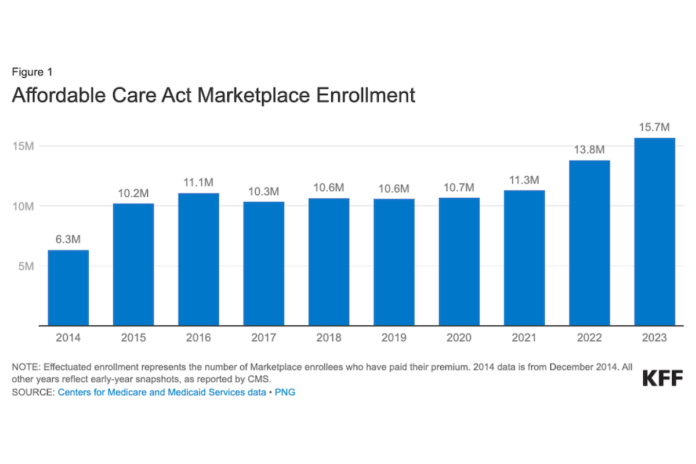
Why it matters is scale. The enhanced subsidies support a large portion of marketplace enrollment, and the risk is not only higher premiums but also disrupted continuity of care. For consumers, that can mean switching doctors, delaying prescriptions, or re-shopping coverage under pressure. For policymakers, it’s a classic tradeoff: extend assistance that improves affordability but adds federal cost, or let it lapse and accept political fallout from higher premiums. The Congressional Budget Office has estimated that millions could be affected if the support is not renewed, raising the stakes for both parties in a polarized environment.
The political dynamics are layered. Democrats generally argue that the subsidies stabilize the market and prevent cost shocks. Some Republicans argue the subsidies distort pricing and prefer alternatives like expanding health savings accounts or other market-based approaches. In an election-adjacent atmosphere, both sides are also positioning for blame: higher premiums are tangible, and voters often hold Washington responsible regardless of which party controls which chamber. Meanwhile, deadlines stack: marketplace enrollment milestones and government funding debates converge into a crowded January agenda.
Still, there’s a pragmatic reason the issue may return quickly: premium shock is hard to ignore once it hits. Insurers and hospitals also have a strong interest in minimizing coverage churn, and some business groups push for predictability. That pressure can force negotiations even when ideology is entrenched—especially if a narrow bipartisan coalition emerges around a time-limited extension.
Implications
Expect health-care costs to become a dominant early-2026 policy flashpoint. If Congress fails to extend the subsidies quickly, the political incentive to act will grow as constituents feel the impact. But any compromise will likely come with tradeoffs—either spending offsets, targeted eligibility changes, or alternative mechanisms that reshape the marketplaces.
Sources