
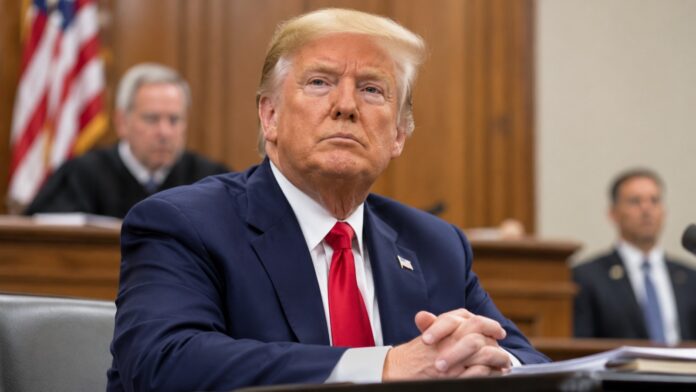
Story Highlights
- President Trump is gaining traction in his defamation lawsuits against major media outlets.
- Recent court rulings have allowed his claims against the New York Times and BBC to proceed.
- The ongoing legal battles are proving costly for the media as they face extensive document reviews.
- This shift in momentum could have significant implications for press accountability.
What Happened
In a notable turn of events, President Trump has begun to see early successes in his defamation lawsuits against prominent media organizations. Historically, the president has faced challenges in the courtroom regarding his claims against the press, but recent developments indicate a shift in this narrative. The New York Times and the British Broadcasting Corporation (BBC) have both attempted to dismiss the lawsuits brought forth by Trump, but these efforts have been met with resistance in the courts.
The legal landscape surrounding these cases is evolving, and as they progress, the implications for the media are becoming increasingly significant. The longer these cases continue, the more they require media outlets to engage in extensive document reviews, which can be both intrusive and costly. This situation not only affects the financial resources of these organizations but also raises questions about their editorial practices and accountability.
- Trump’s lawsuits against the New York Times and BBC are currently active.
- Recent court rulings have denied motions to dismiss these cases.
- The lawsuits are forcing media outlets to review large volumes of documents.
- The outcomes could set precedents for future defamation cases involving public figures.
Why It Matters
The significance of these legal battles extends beyond the courtroom. They represent a critical moment in the ongoing dialogue about press accountability and the responsibilities of media organizations. As President Trump challenges the narratives presented by these outlets, he is not only defending his reputation but also advocating for a broader examination of how the media operates. The implications of these lawsuits could resonate throughout the industry, potentially leading to changes in how news organizations report on public figures.
Moreover, the financial burden placed on these media outlets as they navigate the legal process could deter them from publishing potentially defamatory content in the future. This could lead to a more cautious approach in reporting, particularly when it comes to high-profile individuals like Trump. The outcomes of these cases may also influence how other public figures approach defamation lawsuits, emboldening them to take similar actions against media organizations that they believe have misrepresented them.
- The lawsuits could lead to increased scrutiny of media practices and reporting standards.
- Potential financial repercussions for media outlets may change their reporting strategies.
- Other public figures may feel encouraged to pursue similar legal actions.
- The cases could redefine the boundaries of free speech and press freedom.
Political and Public Context
Understanding the context of these defamation lawsuits requires a look at the broader relationship between public figures and the media. Historically, public figures have faced significant challenges when attempting to prove defamation, as the legal standard for such cases is high. Plaintiffs must demonstrate that the statements made were not only false but also made with actual malice. This has often resulted in a chilling effect on individuals seeking to hold the media accountable for their reporting.
However, the current political climate has shifted perceptions regarding media accountability. With the rise of social media and alternative news sources, the traditional media landscape is under scrutiny like never before. President Trump’s legal actions are emblematic of a growing sentiment among many that the media must be held accountable for their reporting, especially when it comes to influential figures. The outcomes of these lawsuits could serve as a catalyst for change, prompting media organizations to reassess their editorial practices and the accuracy of their reporting.
- Public figures have historically faced challenges in defamation cases due to high legal standards.
- The political climate has shifted perceptions of media accountability.
- Social media has changed how news is consumed and reported.
- Trump’s actions may inspire other public figures to pursue legal recourse against the media.
What Happens Next
As these defamation cases progress, several key questions remain regarding their future implications. The legal proceedings will likely continue to unfold, with both sides preparing for what could be a lengthy battle. The outcomes of these cases will not only impact President Trump but could also set important precedents for how defamation cases are handled in the future.
Moreover, the media’s response to these lawsuits will be closely watched. Will they change their reporting practices in light of the potential consequences? Will they invest more resources in fact-checking and editorial oversight to avoid similar legal challenges? The answers to these questions will shape the future of journalism and its relationship with public figures.
- Ongoing legal proceedings will continue to draw attention and scrutiny.
- The media may alter their reporting practices based on the outcomes.
- Future defamation cases could be influenced by the precedents set in these lawsuits.
- Public discourse around media accountability will likely intensify.