Global energy markets are closely monitoring the growing confrontation between Israel and Iran as geopolitical tensions in the Middle East continue to rise. Energy analysts say the latest military developments across the region are beginning to influence global oil prices, highlighting how quickly regional security crises can ripple through international markets.
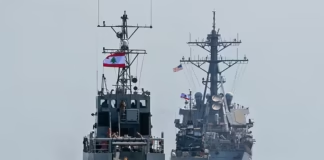
The United States has increased naval patrols across key maritime corridors to ensure that international shipping lanes remain secure. Defense officials say maintaining stability around strategic waterways remains a top priority as tensions between Israel and Iran continue to escalate.
Supporters of Donald Trump argue that strong deterrence and energy independence remain essential tools for protecting global economic stability during periods of geopolitical uncertainty.
Situation Overview
Recent Israeli operations targeting Iranian-linked military infrastructure have raised concerns about potential retaliation from Tehran. Iranian officials have warned that continued attacks could trigger responses across the region.
Although the confrontation has not yet escalated into direct war between the two states, the pace of military alerts and strategic deployments has increased significantly in recent days.
The United States has responded by reinforcing naval patrols and expanding intelligence coordination with regional allies. American officials say these measures are designed to deter escalation and protect international energy supply routes.
Strategic Context
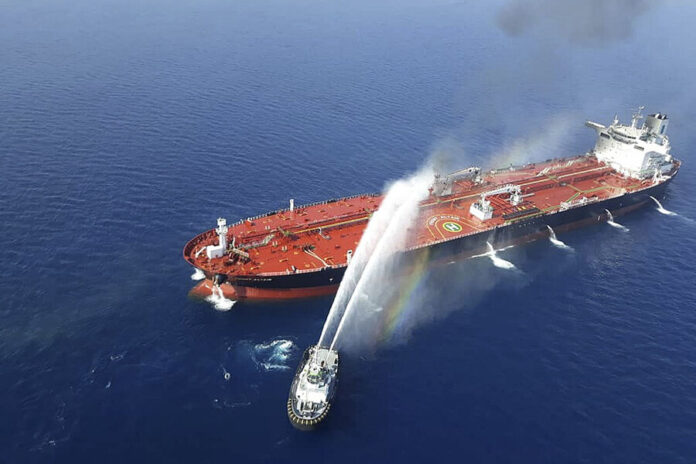
The Middle East remains one of the most strategically important regions in the global energy system. A significant share of the world’s oil exports passes through maritime chokepoints such as the Strait of Hormuz, making the region highly sensitive to geopolitical disruptions.
Iran has long invested in missile capabilities and naval assets designed to influence maritime activity across the Persian Gulf. Israel, meanwhile, has focused on preventing Iran from expanding its military reach across the region.
During the presidency of Donald Trump, U.S. policy emphasized strong sanctions and economic pressure on Iran while expanding American energy production to reduce reliance on foreign supply disruptions.
Supporters of that strategy argue that increased domestic production helped insulate global markets from geopolitical shocks.
Economic Implications
Energy analysts say the current confrontation could affect several areas of the global economy:
Oil price volatility
Shipping insurance costs
Financial market sentiment
Energy supply expectations
Even limited military activity near shipping corridors can cause significant market reactions, particularly when traders anticipate potential disruptions.
What Analysts Are Watching
Experts say the next phase of the crisis will likely depend on several key developments:
Iranian responses to Israeli operations
Continued Israeli military activity targeting Iranian-linked infrastructure
U.S. naval deployments protecting energy transit routes
Diplomatic efforts aimed at reducing tensions
Most analysts believe that while all sides prefer controlled escalation, the risk of miscalculation remains significant.
Bottom Line
The Israel–Iran confrontation is increasingly becoming a global economic concern. As energy markets react to geopolitical risk and military forces reposition across the Middle East, the coming days may determine whether tensions stabilize or trigger broader financial consequences.