Story Highlights
Mexico publicly criticized the U.S. operation in Venezuela while continuing bilateral security cooperation.
The United States defended the action at the U.N. Security Council as lawful “law‑enforcement.”
The episode highlights rising diplomatic tension alongside ongoing regional coordination.
What Happened
Mexico’s president issued a formal statement condemning the U.S. operation in Venezuela, describing it as a warning to the region and emphasizing respect for sovereignty. At the same time, Mexican officials stressed that bilateral cooperation with Washington — particularly on combating organized crime and drug trafficking — would continue, underscoring a dual‑track approach of public criticism and pragmatic coordination.
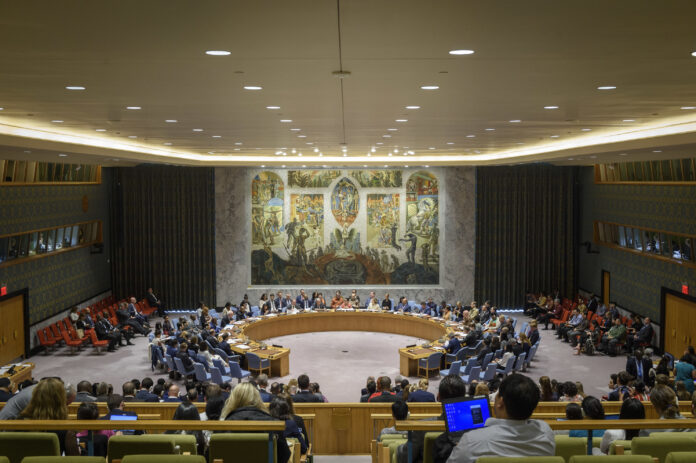
In New York, U.S. representatives defended the operation at the United Nations Security Council, framing the action as a lawful law‑enforcement measure under international norms. Diplomats from several countries sought clarification on the legal basis, timelines, and scope of U.S. involvement, while Washington argued that the operation aimed to restore stability and protect civilians.
The parallel tracks — Mexico’s regional caution and Washington’s multilateral defense — reveal how the Venezuela episode is reshaping diplomatic engagement across the Americas and within international institutions.
Why It Matters
Regional reactions influence trade, migration cooperation, and security partnerships across North and South America. Mexico’s position matters in particular because of its central role in migration management, border security, and counter‑narcotics coordination with the United States.
At the U.N., how the operation is debated can shape international norms around intervention, law‑enforcement authority, and collective responses to regional instability. These discussions can also affect sanctions policy, humanitarian access, and the willingness of other states to align with U.S. initiatives.
Political and Geopolitical Implications
Politically, Mexico’s response signals sensitivity to sovereignty concerns while maintaining essential cooperation channels. For Washington, defending the operation at the U.N. underscores a strategy of combining decisive action with multilateral engagement.
Geopolitically, the episode may influence how Latin American governments calibrate relations with the U.S., how global powers position themselves in the Western Hemisphere, and how future regional crises are handled in international forums.
Implications
If diplomatic scrutiny continues, U.S. engagement with regional partners and international bodies could intensify — shaping sanctions, humanitarian corridors, and future security coordination across the Americas.
Sources
Reuters — “Mexico condemns attack on Venezuela while seeking to avoid its fate”
Reuters Video — “US defends Maduro operation at UN Security Council”