Story Highlights
- Karen Bass is accelerating housing and shelter efforts to reduce visible homelessness.
- The urgency is driven by upcoming global events, including the 2026 FIFA World Cup and 2028 Summer Olympics.
- Officials are focusing on faster construction timelines and expanded temporary housing solutions.
Situation Overview
Los Angeles is intensifying its efforts to address homelessness, with Karen Bass pushing for faster deployment of housing and shelter solutions across the city. The initiative comes as Los Angeles prepares to host major international events, including the 2026 FIFA World Cup and the 2028 Summer Olympics.
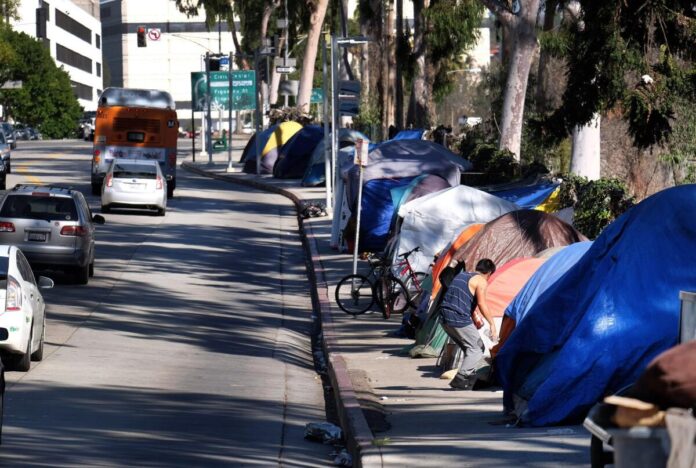
The city has long struggled with homelessness, with thousands of individuals living in encampments, temporary shelters, or unstable housing conditions. Now, with global attention on the horizon, officials are working against the clock to improve both living conditions and public perception.
This renewed push reflects a broader recognition that homelessness is not only a humanitarian issue but also a logistical and economic challenge for cities hosting large-scale international events.
What Happened
According to recent reports, Mayor Bass is advocating for streamlined housing programs that prioritize speed and scalability. The plan includes expanding temporary shelter capacity while accelerating the construction of permanent supportive housing.
City officials are focusing on:
- Reducing bureaucratic delays in housing approvals
- Increasing funding for rapid housing solutions
- Partnering with developers and nonprofit organizations
- Expanding outreach programs to move people off the streets
The goal is to significantly reduce visible homelessness in key areas before international visitors arrive. This includes high-traffic zones, transportation corridors, and venues associated with upcoming events.
The approach marks a shift toward urgency, emphasizing immediate results alongside long-term planning.
Why It Matters
Homelessness in Los Angeles has been a persistent and complex issue, affecting public health, safety, and urban infrastructure. The current push matters for several reasons:
- Global Image: Hosting international events places Los Angeles under intense global scrutiny
- Economic Impact: Tourism and investment depend on perceptions of safety and cleanliness
- Humanitarian Concerns: Faster housing solutions can improve living conditions for vulnerable populations
- Policy Testing: The success or failure of these efforts could influence housing strategies in other major cities
For city leadership, the challenge is balancing speed with sustainability—ensuring that quick fixes do not compromise long-term solutions.
Implementation Strategy
The city’s approach combines short-term action with structural reforms:
- Temporary Housing Expansion: Rapid construction of shelters and modular units
- Permanent Housing Development: Continued investment in supportive housing projects
- Service Integration: Providing mental health, addiction treatment, and job support services
- Public-Private Partnerships: Collaborating with developers to accelerate timelines
Officials are also exploring innovative solutions such as adaptive reuse of existing buildings and streamlined zoning regulations.
Key Challenges Ahead
Despite the urgency, several obstacles could complicate implementation:
- Funding Constraints: Large-scale housing projects require sustained financial investment
- Community Resistance: Local opposition can delay or block new developments
- Operational Complexity: Coordinating multiple agencies and stakeholders is challenging
- Long-Term Sustainability: Temporary solutions must transition into permanent outcomes
These challenges highlight the complexity of addressing homelessness at scale, particularly within tight deadlines.
Broader Urban Implications
Los Angeles is not alone in facing housing and homelessness challenges. Cities across the United States are grappling with similar issues, making this initiative a potential model for others.
If successful, the strategy could demonstrate how cities can:
- Rapidly deploy housing solutions
- Balance short-term urgency with long-term planning
- Integrate social services with housing initiatives
Conversely, if the effort falls short, it may reinforce concerns about the difficulty of achieving meaningful progress within compressed timelines.
Implications
The accelerated housing push in Los Angeles represents a critical test of urban policy under pressure. With global events approaching, the city has both an opportunity and a challenge: to deliver visible improvements while maintaining a focus on sustainable solutions.
For policymakers nationwide, the outcome will offer valuable insights into what works—and what doesn’t—when tackling one of the most pressing issues facing modern cities.