Story Highlights
- House Speaker Mike Johnson retained his Louisiana seat but lost the gavel following GOP midterm losses
- Johnson published statements on social media affirming continued support for President Trump’s agenda and accomplishments
- Online observers criticized Johnson’s unwavering devotion, suggesting his loyalty contributed to Republican electoral setbacks
- The Louisiana Republican signaled determination to reclaim House control in 2028 while warning of incoming Democratic leadership
What Happened
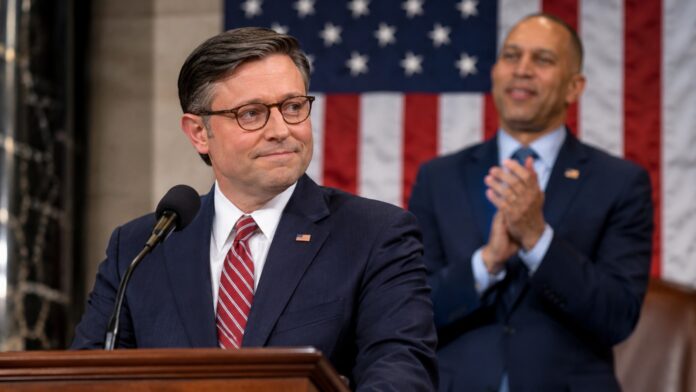
House Speaker Mike Johnson faced significant backlash after publicly reaffirming his allegiance to President Trump despite losing his position as speaker following the midterm elections. Johnson secured reelection to his House seat representing Louisiana, yet the GOP’s broader electoral performance resulted in a shift of power in the chamber. Representative Hakeem Jeffries of New York emerged as the likely successor to lead the Democratic House majority.
Johnson addressed the midterm outcome through posts on social media platform X, where he highlighted accomplishments achieved during his tenure working alongside the president. His statements emphasized policy victories and pledged continued commitment to the administration’s vision for the nation. The speaker simultaneously cautioned Republican supporters about the incoming Democratic leadership, characterizing it in stark terms and vowing ongoing resistance to its agenda.
- Johnson retained his House seat in the midterm election despite GOP losses in the chamber
- Rep. Hakeem Jeffries positioned to become the next House Speaker
- Johnson published statements highlighting border security, tax policy, and public safety achievements
- Speaker signaled intention to pursue House Republican comeback in 2028
Why It Matters
Johnson’s persistent public support for President Trump during a period of Republican electoral disappointment illuminates broader questions about party leadership and message discipline during challenging political moments. The Speaker’s decision to emphasize continuity with the administration’s priorities rather than acknowledge strategic missteps drew attention from observers monitoring Republican accountability following midterm losses. His approach reflects the tight alignment between House Republican leadership and the Trump agenda, though critics argue this relationship may have contributed to suboptimal electoral outcomes.
The backlash Johnson encountered demonstrates internal tensions within Republican circles regarding how the party should respond to electoral setbacks. Some observers questioned whether unwavering loyalty to presidential preferences superseded attention to district-level concerns and constituent priorities. The Speaker’s framing of future Republican prospects contrasted sharply with immediate electoral realities, raising questions about how party messaging balances acknowledgment of present circumstances with forward-looking vision.
- Illustrates tension between presidential loyalty and independent congressional leadership
- Demonstrates divisions within Republican base regarding electoral strategy and messaging
- Reflects questions about accountability and candor following GOP midterm performance
- Affects Republican positioning heading into 2028 election cycle
Political and Public Context
Johnson’s situation occurs within a broader Republican Party landscape shaped by the relationship between presidential authority and congressional independence. The Speaker’s background includes consistent alignment with Trump administration positions throughout his tenure, making his continued public support unsurprising to political observers tracking GOP dynamics. His loss of the speakership represents a significant shift in House Republican leadership structure while his retention of his seat indicates continued constituent support in his Louisiana district.
The criticism Johnson encountered reflects broader public discourse regarding political loyalty and effectiveness. Some commentators referenced previous warnings about the long-term implications of close identification with particular political figures, citing concerns about reputational consequences extending beyond immediate electoral cycles. Others focused on specific policy disagreements and questioned whether Johnson’s priorities aligned adequately with his constituents’ interests during his tenure in leadership roles.
- Johnson previously served in various House Republican leadership capacities with consistent Trump alignment
- Loss of speakership represents significant shift in chamber power dynamics and committee control
- Ongoing debate within Republican circles regarding optimal balance between party unity and institutional independence
- Questions about messaging strategy during periods when presidential approval and congressional performance diverge
'Good riddance': Columnist decries Mike Johnson's damage to 'vital' speakership https://t.co/4BClhPqn1B The Speaker, as a Trump lackey, undermined the separate powers that the Speaker and House had. Won't be missed.
— 💧Don Wilson (@gorgeousdunny1) November 6, 2026
What Happens Next
Johnson’s trajectory heading into the new congressional session will likely involve his role as part of the House Republican minority, where he may pursue positions within the minority leadership structure. His statements regarding 2028 suggest he intends to position Republicans for future gains, though the specific mechanisms for achieving House Republican gains remain subject to ongoing party strategizing. The Speaker’s continued prominence in Republican circles will depend partly on his ability to maintain relevance while lacking the institutional power previously held as speaker.
The reception of Johnson’s public statements may influence how other Republican leaders calibrate their own messaging during this transitional period. Questions about whether and how House Republican leadership articulates critique of past strategy versus unified support for future efforts remain unresolved. Additionally, the composition of Republican leadership in the coming congressional session and Johnson’s specific role within that structure will shape his continued political standing and influence within the party.
- Johnson’s position within House Republican minority leadership structure to be determined
- Republican Party messaging strategy regarding midterm outcomes remains evolving
- Questions about whether House Republican leadership will shift focus or maintain existing priorities
- 2028 election cycle positioning and resource allocation decisions pending as new Congress convenes