Story Highlights
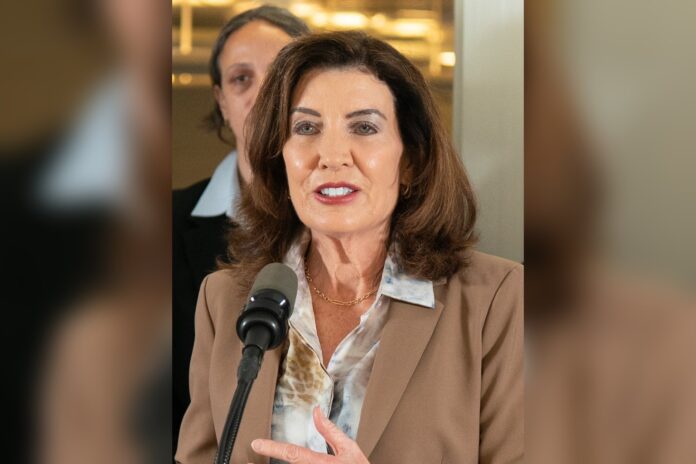
- New York Governor Kathy Hochul criticized rapper Nicki Minaj, claiming the artist’s attendance at presidential rallies was negatively influencing her thinking
- Minaj, who has become a vocal supporter and calls herself the president’s number one fan, responded by calling Hochul an evil woman and suggesting the Democratic Party should forfeit her seat
- The rapper has shifted from her 2020 stance and now actively campaigns for the Republican Party at major rallies
- Republican gubernatorial candidate Bruce Blakeman seized on the exchange to criticize Hochul’s leadership
What Happened
New York Governor Kathy Hochul leveled criticism at entertainer Nicki Minaj on Wednesday, suggesting that the artist’s participation in campaign events was having a detrimental effect on her judgment. Speaking to members of the press, Hochul indicated that Minaj would benefit from spending less time online and attending fewer political rallies associated with the administration.
The governor’s remarks came in response to social media posts from Minaj, who characterized Hochul as an evil political figure and expressed strong disapproval of her leadership. Minaj’s posts reflected her increasingly public alignment with the Republican Party, marking a notable shift from her stated position five years earlier when she indicated reluctance to embrace this political movement.
- Hochul suggested Minaj reduce online activity and campaign rally attendance
- Minaj described herself as the president’s number one fan and called for the Democratic Party to remove Hochul
- The rapper appeared at a Michigan campaign event pledging future electoral support
- White House communications officials have discussed Minaj as a potential candidate for official administration positions
Why It Matters
The exchange between Hochul and Minaj illustrates the growing political polarization affecting American public figures and the expanding reach of the current administration’s coalition into entertainment sectors traditionally aligned with Democratic politics. Celebrity political engagement has become increasingly consequential in shaping voter sentiment, particularly among younger demographics and social media users who follow entertainment personalities closely. The incident demonstrates how prominent entertainers can influence political discourse and how establishment political figures respond to such influence with public criticism and concern.
Minaj’s evolution from political skeptic to active advocate represents a significant development in celebrity political endorsements. Her participation in campaign events and stated willingness to continue supporting the administration have made her a visible symbol of entertainment world support. The potential consideration of her for official White House roles underscores how celebrity influence and government service are increasingly intertwined in contemporary American politics.
- Celebrity political endorsements significantly impact voter perception and campaign momentum
- The entertainment industry’s political realignment reflects broader shifts in American political coalitions
- Public disagreements between political officials and celebrities elevate these figures’ political relevance
- Social media amplifies celebrity political messaging to millions of followers instantaneously
Political and Public Context
The Hochul-Minaj confrontation occurs within a broader pattern of Democratic frustration regarding supporters in the entertainment industry. Hochul’s direct criticism reflects a defensive posture adopted by Democratic leaders responding to perceived erosion of their traditional cultural influence. The governor’s comments reveal concern among establishment Democratic figures about their declining ability to maintain cohesion among traditionally allied constituencies, including entertainment and cultural sectors.
Minaj’s political journey demonstrates how celebrity figures navigate evolving political landscapes and adjust their public positioning based on changing circumstances. Her earlier hesitation about political movements contrasts sharply with her current enthusiastic support, suggesting that her political views have undergone genuine evolution or responded to observed political developments. The rapper’s social media presence gives her direct communication channels to her audience, reducing reliance on traditional media filtering and allowing her to shape political narratives independently.
Republican challenger Bruce Blakeman quickly capitalized on the exchange, using it as an opportunity to reinforce criticism of Hochul’s governance and appeal to voters dissatisfied with current state leadership. Current polling data shows Hochul maintaining a substantial advantage over her Republican opponent, though the political landscape continues to shift as the campaign progresses.
- Democratic leaders increasingly express concern about celebrity defections to the administration’s political movement
- Minaj’s shift from skepticism to enthusiastic support reflects broader political realignment trends
- Social media enables celebrities to communicate directly with audiences without traditional media intermediaries
- Hochul leads Blakeman by 14 points in recent polling, though political momentum remains fluid
What Happens Next
The trajectory of this political dispute will likely continue as the campaign season progresses. Hochul’s public criticism of Minaj may intensify scrutiny of celebrity political endorsements and their role in shaping electoral outcomes. Democratic messaging strategies may increasingly focus on countering celebrity support for the administration and questioning the motives and judgment of entertainment figures who align with it.
Minaj’s continued involvement in campaign activities and potential White House roles would represent an unprecedented level of celebrity integration into the government structure. Her social media presence ensures that her political statements will continue reaching substantial audiences, amplifying conservative political messages through entertainment channels. The potential formalization of her political role could reshape how celebrity participation in government is understood and normalized in American politics.
Republican candidates like Blakeman will likely continue leveraging entertainment world divisions to highlight broader Democratic weaknesses and organizational fragmentation. The entertainment sector’s ongoing political realignment may produce additional high-profile conflicts between Democratic officials and celebrities, further destabilizing traditional cultural alignments that have existed for decades.
- Hochul administration may develop specific messaging strategies addressing celebrity political influence
- Minaj’s potential formal White House positions would represent a novel development in entertainment-government integration
- Social media will continue amplifying this conflict across multiple platforms simultaneously
- Future campaign strategies will increasingly incorporate celebrity political positioning and endorsement dynamics