Story Highlights
- George Santos has been permanently banned from the Kalshi betting platform.
- The ban follows allegations of insider trading related to his attendance at a State of the Union address.
- Kalshi’s compliance team acted independently, citing concerns over Santos’s betting activities.
- This incident raises questions about compliance challenges in prediction markets.
What Happened
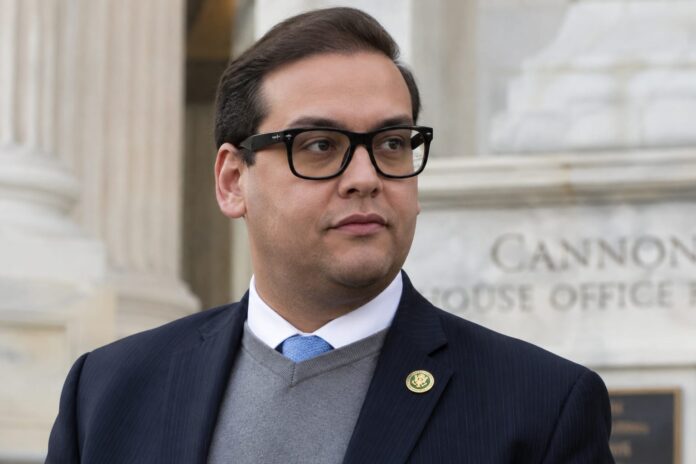
Prediction-market operator Kalshi has taken the significant step of permanently barring former US congressman George Santos from trading on its platform. This decision comes in the wake of serious allegations that Santos engaged in insider trading by placing bets related to his own attendance at a State of the Union address delivered by US President Donald Trump. The company issued a notice of disciplinary action, stating that Santos’s activities raised red flags regarding compliance with market regulations.
Kalshi’s compliance team conducted an investigation and concluded that Santos’s betting behavior indicated signs of insider dealing. The company emphasized that it acted independently and did not wait for external enforcement actions before taking this step. Santos, for his part, responded to the ban on social media platform X, expressing a somewhat defiant attitude by thanking Kalshi for the ban and questioning the platform’s longevity.
- Santos was expelled from Congress following fraud and identity-theft charges.
- He placed bets in February regarding his attendance at Trump’s State of the Union address.
- Kalshi imposed a fine of $71,356 on Santos for his actions.
- The case has been referred to federal authorities for further investigation.
Why It Matters
The implications of Santos’s ban extend beyond his individual case, highlighting the growing compliance challenges faced by prediction markets. As these platforms gain popularity and attract more users, they are increasingly under scrutiny from regulators. The incident underscores the need for robust compliance measures to prevent misconduct and ensure fair trading practices. Kalshi’s decision to impose a lifetime ban on Santos reflects a proactive approach to maintaining the integrity of its platform.
Moreover, the case raises questions about the ethical boundaries of trading in prediction markets, particularly when individuals have the ability to influence outcomes. Santos’s actions, which involved betting on an event he could directly impact, have sparked discussions about the potential for conflicts of interest in such markets. As prediction markets continue to evolve, the industry must grapple with these ethical dilemmas while also adhering to regulatory standards.
- The ban serves as a warning to other users about the consequences of insider trading.
- Kalshi’s actions may lead to increased regulatory scrutiny of prediction markets.
- Other platforms may need to enhance their compliance measures in light of this incident.
- Users of prediction markets may face stricter regulations and oversight moving forward.
Political and Public Context
The backdrop of Santos’s ban is a broader conversation about the future of prediction markets and their role in the political landscape. These markets allow users to wager on various outcomes, from elections to economic indicators, and have gained traction in recent years. However, as they become more mainstream, the potential for misconduct and unethical behavior increases, prompting regulators to take a closer look at how these platforms operate.
Kalshi’s decision to ban Santos is not an isolated incident; it reflects a trend within the industry to strengthen compliance measures and address potential misconduct. Both Kalshi and its competitor, Polymarket, have reported unusual trading patterns that have raised concerns about the integrity of their platforms. In response, these companies are enhancing their monitoring systems and adopting more aggressive stances against potential violations.
- Prediction markets are facing increased scrutiny from regulators as they grow in popularity.
- Kalshi and Polymarket have both reported unusual trading patterns, prompting internal reviews.
- Regulatory bodies are signaling that higher standards will be expected from prediction market platforms.
- Santos’s case may set a precedent for how similar cases are handled in the future.
Kalshi slaps scandal-ridden George Santos with first-ever lifetime ban over shady bet https://t.co/DvkEtfisC3 pic.twitter.com/J5u20OjNOI
— New York Post (@nypost) August 31, 2026
What Happens Next
Looking ahead, the fallout from Santos’s ban will likely have lasting implications for both him and the prediction market industry as a whole. For Santos, the lifetime ban represents a significant blow to his reputation and any potential future endeavors in the political or business arenas. The case has already attracted attention from federal authorities, and it remains to be seen whether further legal actions will be taken against him.
For the prediction market industry, this incident may prompt a reevaluation of compliance protocols and trading practices. Companies like Kalshi will need to continue refining their monitoring systems to detect and prevent insider trading and other forms of misconduct. Additionally, the industry may face increased regulatory oversight, leading to more stringent rules and guidelines for operators and users alike.
- Federal authorities may pursue further investigations into Santos’s activities.
- Kalshi will likely enhance its compliance measures in response to this incident.
- Other prediction market platforms may adopt similar policies to prevent insider trading.
- The industry may see new regulations aimed at ensuring fair trading practices.