Story Highlights
A new storm system follows closely behind recent winter disruptions
Forecasters warn of snow, rain, and travel impacts across multiple regions
Communities brace for back-to-back weather challenges
What Happened
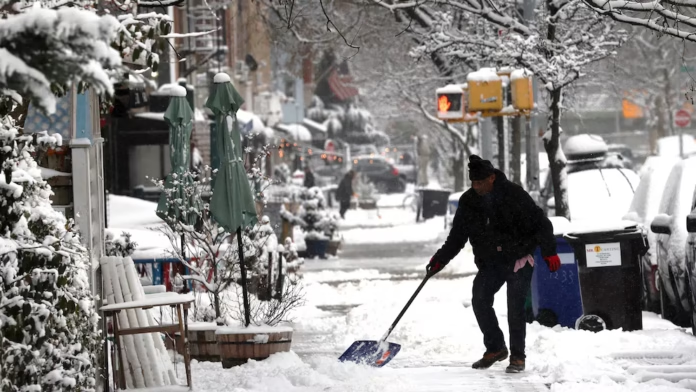
Meteorologists warned that another storm system is tracking across the United States, bringing renewed snow and rain to parts of the Northeast and Midwest. The system arrives just days after an earlier storm disrupted travel and daily life in several regions. Forecasts indicate a mix of snow, freezing rain, and gusty winds, depending on local temperatures. Some areas already dealing with snow accumulation could face additional hazards. Emergency management officials urged residents to monitor updates and prepare for changing conditions. The quick succession of storms has complicated cleanup and recovery efforts in affected communities.
Why It Matters
Back-to-back winter storms place sustained pressure on infrastructure and public services. Roads, power systems, and transit networks have limited recovery time between weather events. Municipal crews must stretch resources to keep roads clear and utilities operational. For travelers, repeated storms increase the likelihood of delays and cancellations. The situation also highlights the broader challenge of managing weather volatility during winter months. As storm systems arrive in rapid succession, the margin for error narrows for both officials and residents.
Geographic & Preparedness Implications
The expanding reach of the storm system underscores how winter weather can affect large portions of the country simultaneously. Regions unaccustomed to heavy snowfall may face greater disruption due to limited equipment or experience. Public communication becomes critical as conditions evolve quickly across state lines. Emergency planners must coordinate across jurisdictions to manage response efforts efficiently. The storms also draw attention to the importance of accurate forecasting and early warnings. Preparedness levels often determine how effectively communities weather consecutive events.
Implications
If the pattern of frequent winter systems continues, communities may need to reassess preparedness strategies for prolonged seasonal impacts. Businesses and schools could face ongoing disruptions as conditions fluctuate. Transportation planners may look for ways to build more flexibility into operations during winter months. For residents, the storms serve as a reminder to remain alert and adaptable. While winter weather is inevitable, its cumulative effects can be managed with planning and coordination. The coming weeks will test how well systems perform under sustained winter pressure.
Sources