Story Highlights
- President Trump is set to meet with Sen.-elect Abdul El-Sayed to discuss healthcare reform.
- El-Sayed has rebranded ‘Medicare for All’ as ‘TrumpCare’, indicating a potential bipartisan approach.
- The president expressed confidence in working with Democrats on various issues.
- This collaboration could reshape the healthcare landscape in America.
What Happened
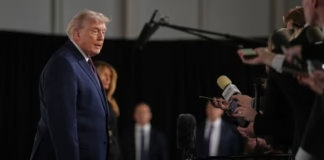
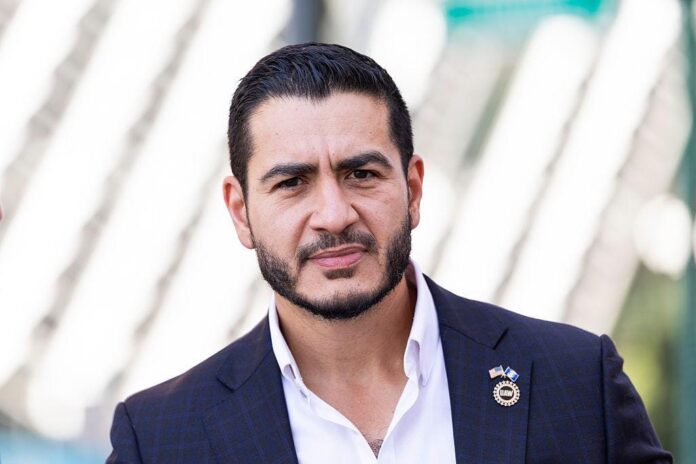
President Trump has announced his intention to meet with Sen.-elect Abdul El-Sayed, a Democrat from Michigan, to discuss a significant rebranding of the single-payer healthcare proposal known as ‘Medicare for All’. El-Sayed has taken the bold step of renaming this initiative ‘TrumpCare’, a move that has garnered attention and praise from the president himself. In a recent interview with the New York Post, Trump referred to El-Sayed as ‘very smart’ for his innovative approach, stating, ‘He did a good job. He actually did a very good job.’ This collaboration marks a notable moment in American politics, as it highlights a willingness to bridge party lines for the benefit of the American people.
The meeting is expected to focus on how they can work together to improve healthcare access and affordability for all Americans. The president’s openness to this dialogue comes at a time when healthcare remains a critical issue for voters across the country. With the recent electoral victories for Democrats, there is a renewed sense of urgency to address healthcare reform in a way that benefits a broader segment of the population.
- Trump will meet with El-Sayed to discuss healthcare reform.
- El-Sayed’s rebranding of ‘Medicare for All’ as ‘TrumpCare’ has been praised by the president.
- The meeting’s date has not been specified, but discussions are anticipated soon.
- Trump aims to work with Congressional Democrats following their recent electoral victories.
Why It Matters
The significance of this collaboration cannot be overstated. The willingness to engage with a Democratic senator-elect on healthcare reform signals a potential shift in the political landscape. Historically, healthcare has been a contentious issue in American politics, often leading to partisan divides. However, this new partnership could pave the way for a more unified approach to healthcare, one that prioritizes the needs of citizens over political affiliations. By embracing El-Sayed’s rebranding of ‘Medicare for All’, Trump is not only acknowledging the importance of universal healthcare but also demonstrating a commitment to finding common ground with Democrats. This could lead to substantial changes in how healthcare is delivered and funded in the United States.
Moreover, the collaboration could serve as a model for future bipartisan efforts on other pressing issues. If successful, it may encourage lawmakers from both parties to work together on solutions that address the concerns of their constituents.
- Potential for bipartisan healthcare reform could benefit millions of Americans.
- Collaboration may lead to a more comprehensive healthcare policy.
- El-Sayed’s influence could help shape the future of healthcare legislation.
- Voters may respond positively to this bipartisan effort, impacting future elections.
Political and Public Context
To fully understand the implications of this collaboration, it is essential to consider the broader context of healthcare reform in the United States. The concept of ‘Medicare for All’ has gained traction in recent years, particularly among progressive Democrats. However, it has also faced significant opposition from conservatives who argue that such a system could lead to increased taxes and government overreach. The previous administration focused on repealing and replacing the Affordable Care Act (ACA), which has been a cornerstone of healthcare policy since its enactment in 2010.
The recent electoral victories for Democrats, which resulted in their control of both the House and Senate, have created a new dynamic in Washington. This shift may compel the president to adopt a more collaborative approach to governance, particularly on issues that resonate with the electorate, such as healthcare. The public’s growing demand for accessible healthcare solutions may further pressure lawmakers to find common ground.
- Healthcare reform has been a divisive issue in American politics for decades.
- The Affordable Care Act remains a focal point of contention between parties.
- Recent Democratic victories in Congress may influence Trump’s strategy moving forward.
- Public opinion on healthcare is shifting, with many Americans favoring universal coverage.
Trump vows to meet with El-Sayed on 'Medicare for All,' telling Post he and Democrats could do 'great things' https://t.co/W97jVa7kI2 pic.twitter.com/O6YJv3u9Pj
— New York Post (@nypost) November 24, 2026
What Happens Next
Looking ahead, the collaboration between President Trump and Sen.-elect El-Sayed could lead to several important developments in healthcare policy. First and foremost, the meeting between the two leaders will likely set the tone for future discussions on healthcare reform. If they can find common ground, it may lead to the introduction of new legislation that addresses the needs of all Americans. Additionally, this partnership could inspire other lawmakers to pursue bipartisan efforts on various issues, fostering a more cooperative political environment.
However, there are still many questions that remain unanswered. Will the president be able to convince his party to support a rebranded version of ‘Medicare for All’? How will voters respond to this potential shift in policy? The answers to these questions will shape the future of healthcare in the United States.
- Trump and El-Sayed’s meeting will likely influence future healthcare legislation.
- Potential bipartisan support could lead to significant reforms.
- Public response to this collaboration will be crucial for its success.
- Future negotiations may reveal the extent of bipartisan cooperation on healthcare.