Story Highlights
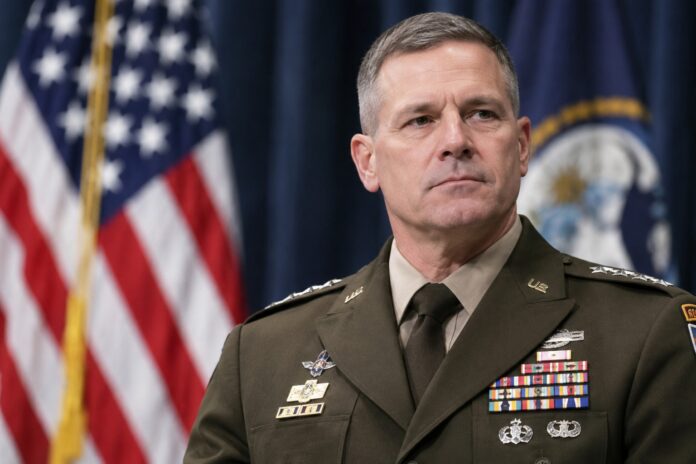
- President Trump formally nominated Gen. Christopher LaNeve to serve as the Army’s next chief of staff, nine months after Defense Secretary Pete Hegseth removed his predecessor from the position
- Acting Army Secretary Adam Telle described LaNeve as an exceptional leader capable of modernizing the Army and ensuring soldiers are prepared for any battlefield challenge
- The nomination faces mixed reactions in the Senate Armed Services Committee, with some lawmakers expressing concerns about LaNeve’s four-star experience level
- The administration also nominated Lt. Gen. Marcus S. Evans to fill the Army vice chief of staff position vacated by LaNeve’s elevation
What Happened
President Trump’s administration formally nominated Gen. Christopher LaNeve to become the Army’s new chief of staff on Tuesday. The nomination comes approximately nine months after Defense Secretary Pete Hegseth made the decision to remove the previous chief of staff, Gen. Randy George, who had been confirmed by the Senate in 2023. LaNeve, who has been serving as the Army’s vice chief of staff, brings extensive command experience across multiple levels of the military hierarchy.
Acting Army Secretary Adam Telle issued a statement praising LaNeve’s qualifications and readiness for the role. Telle emphasized that LaNeve possesses the leadership qualities necessary to modernize the Army and maintain soldier readiness for combat operations. The Army secretary expressed confidence that LaNeve represents the ideal candidate for this critical position at this particular moment in military leadership.
Simultaneously, the administration moved to fill the vacancy created by LaNeve’s nomination by naming Lt. Gen. Marcus S. Evans as the new Army vice chief of staff. Evans was characterized as demonstrating unwavering commitment to building a more capable and combat-effective force, with a track record of understanding soldier needs.
- Gen. Christopher LaNeve nominated for Army chief of staff position
- Defense Secretary Pete Hegseth previously removed Gen. Randy George from the role
- Lt. Gen. Marcus S. Evans nominated for Army vice chief of staff
- Nomination announced on Tuesday by the Trump administration
Why It Matters
The nomination of LaNeve represents a significant personnel decision in the Pentagon’s military leadership structure. The chief of staff of the Army serves as the senior military officer responsible for overseeing all Army operations, personnel, and strategic direction. This position directly influences how the nation’s largest military branch prepares for current and future conflicts, manages its workforce, and allocates resources across global operations.
The leadership changes within the military hierarchy matter significantly for defense policy implementation and military readiness. Securing competent, strategically aligned leadership at the highest levels ensures that the Army can effectively execute the administration’s defense vision and maintain soldier effectiveness. The modernization of the Army, as emphasized in the nomination announcement, requires steady leadership willing to implement necessary changes to force structure and capabilities.
LaNeve’s military background, which includes commanding the 82nd Airborne Division at Fort Bragg and serving as commander of the Eighth Army in South Korea as a three-star general, demonstrates substantive operational experience. His commission into the infantry dating back to the 1990s reflects decades of service within the Army structure. These credentials position him to understand both the practical challenges soldiers face and the strategic considerations necessary for military modernization efforts.
- Chief of Staff position directly oversees Army operations and strategic planning
- Leadership selection affects military readiness and force modernization capabilities
- LaNeve’s background includes command of major tactical units and overseas operations
- Decision reflects broader military personnel restructuring within the Trump administration
Political and Public Context
Military leadership confirmations have historically proceeded through the Senate with relative ease, as lawmakers from both parties typically recognize the importance of stable military leadership. However, LaNeve’s nomination appears poised to encounter more significant resistance than typical officer confirmations. Some members of the Senate Armed Services Committee from both parties have already indicated concerns about the nomination, creating an unusual dynamic for a military personnel decision.
Senator Tommy Tuberville of Alabama, a Republican member of the Senate Armed Services Committee, indicated that certain committee members believe LaNeve lacks sufficient four-star general experience for the position. This criticism from within the Republican caucus underscores that opposition to the nomination crosses party lines. Additionally, Senator Joni Ernst of Iowa, who brings personal military background through her service in the Army Reserve and Iowa Army National Guard, has expressed objections to LaNeve’s nomination.
The broader context involves the extensive military leadership changes implemented since the beginning of the current administration. Defense Secretary Hegseth has overseeen the removal of multiple high-ranking officers, including the Air Force Vice Chief of Staff, the head of the Defense Intelligence Agency, and the Chief of Naval Operations. These personnel changes represent a systematic restructuring of military leadership, which some observers view as necessary modernization while others perceive as potentially destabilizing.
- Military nominations typically face limited Senate resistance; LaNeve’s nomination differs from this pattern
- Sen. Tommy Tuberville raised concerns about four-star experience requirements
- Sen. Joni Ernst expressed opposition to the nomination
- Broader military leadership restructuring ongoing across multiple service branches
Trump called LaNeve an "exceptional leader." The nomination comes nine months after Defense Secretary Hegseth fired Gen. Randy George. https://t.co/S3T6ss9Xev
— Military.com (@Militarydotcom) November 19, 2026
What Happens Next
LaNeve’s nomination will proceed to the Senate Armed Services Committee for formal consideration and hearings. Committee members will examine his qualifications, command record, and vision for the Army’s future during the confirmation process. The committee will ultimately vote on whether to recommend his nomination to the full Senate. Given the indication from some committee members that opposition may materialize, the confirmation process could extend longer than typical military leadership votes.
The full Senate will subsequently vote on LaNeve’s confirmation if the committee approves the nomination. While military nominations traditionally command bipartisan support, the signaling from Republican senators about potential opposition suggests that the confirmation vote could be closer than expected. The timing of the confirmation process remains uncertain, though military leadership transitions typically occur within several months of nomination.
Meanwhile, Lt. Gen. Evans will undergo his own confirmation process for the vice chief of staff position. The successful confirmation of both officers would solidify the Trump administration’s military leadership team and enable continued implementation of the administration’s defense and military modernization priorities. The outcomes of these confirmation votes will demonstrate the Senate’s appetite for the personnel changes being implemented within the Pentagon.
- LaNeve nomination advances to Senate Armed Services Committee hearings
- Committee vote will determine whether nomination proceeds to full Senate floor
- Full Senate vote expected to follow committee approval, potentially with closer margins than typical
- Lt. Gen. Evans confirmation process follows parallel timeline for vice chief of staff role