Story Highlights
- U.S. Under Secretary of Defense Elbridge Colby expressed concerns about Ukraine’s long-range strikes against Russian targets during NATO headquarters discussions
- German Defense Minister Boris Pistorius and UK Defence Secretary Wes Streeting publicly defended Ukraine’s military strategy in response to Colby’s assessment
- The disagreement underscores strategic divisions within the NATO alliance regarding optimal approaches to supporting Ukrainian military operations
- Ukraine has intensified long-range strike operations in recent months, including attacks on infrastructure like the Kerch Bridge connecting Russia to Crimea
What Happened
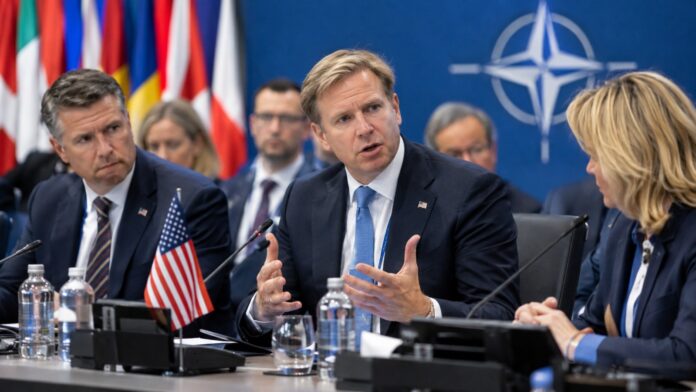
During high-level discussions at NATO headquarters on Tuesday, Elbridge Colby, serving as U.S. Under Secretary of Defense, raised concerns about Ukraine’s long-range strike operations against Russian territory. Colby assessed that the strikes have not proven effective in disrupting Russian advances along the front line and suggested they may have contributed to strengthening resolve among the Russian public. His remarks drew immediate pushback from key NATO allies present at the Ukrainian Defence Contact Group meeting.
German Defense Minister Boris Pistorius responded sharply to Colby’s criticism, characterizing his assessment negatively and redirecting focus toward Russia’s own strikes and military actions. UK Defence Secretary Wes Streeting independently expressed support for Ukraine’s military approach, emphasizing that external parties should not dictate how Ukraine conducts its defense operations. According to reporting from The Telegraph, Colby departed the meeting before hearing a classified briefing on the situation from Ukraine’s defense minister.
- Elbridge Colby, U.S. Under Secretary of Defense, raised concerns about Ukraine’s long-range strikes during Tuesday NATO headquarters meeting
- German Defense Minister Boris Pistorius and UK Defence Secretary Wes Streeting both defended Ukraine’s military strategy in direct response
- Colby reportedly left the meeting before receiving a classified war briefing from Ukraine’s defense minister
- Ukraine struck the Kerch Bridge on Tuesday, demonstrating ongoing long-range strike capabilities using domestically-developed systems
Why It Matters
The public disagreement between U.S. defense leadership and NATO allies over Ukraine’s military strategy reflects deeper tensions within the alliance regarding how to support Ukrainian operations most effectively. The exchange highlights different assessments of whether long-range strikes represent a productive use of Ukraine’s military resources or distract from needs on the front line. These divisions could complicate coordination of military aid and strategic guidance flowing to Kyiv from Western supporters.
The incident also demonstrates that NATO members are willing to challenge U.S. positions publicly rather than defer to American assessments on Ukraine policy. This dynamic may influence future discussions about military support levels, weapons systems, and strategic priorities. For Ukraine, the backing from key European allies suggests continued political will to sustain military assistance despite tactical disagreements among contributors.
- Alliance cohesion on Ukraine strategy may face challenges if fundamental disagreements persist between U.S. and European NATO members
- The debate affects decisions about which weapons systems and resources to prioritize for Ukrainian military operations
- Ukraine benefits from allied support but must navigate differing strategic perspectives from key weapons suppliers
- Future military aid coordination may require resolving these strategic differences to maintain unified Western approach
Political and Public Context
Ukraine has significantly escalated long-range strike operations against Russian targets over recent months, deploying diverse domestically-developed weapons systems including drones and missiles. This increase reflects both Ukraine’s growing technical capabilities and shortages of munitions provided by Western suppliers. Recent operations have involved coordinated attacks utilizing more than 1,000 drones in some instances, demonstrating the scale of Ukraine’s long-range strike campaign.
The Kerch Bridge, which connects mainland Russia to the occupied Crimean Peninsula, has become a recurring target for Ukrainian operations. The structure holds strategic importance as a key transportation link for Russian military logistics to the southern theater. Ukraine’s ability to strike this infrastructure with domestically-developed systems marks a significant development in the conflict, as it reduces reliance on Western weapons for certain operations.
NATO allies have generally supported Ukraine’s military operations while sometimes disagreeing on specific tactical approaches. The recent disagreement at headquarters reflects ongoing debates within Western capitals about balancing support for Ukrainian autonomy with guidance based on strategic assessments. European nations, particularly those closer to Russia, may have different perspectives on escalation risks compared to U.S. policymakers.
- Ukraine has ramped up long-range strike operations in recent months using domestically-developed weapons systems
- The Kerch Bridge remains a strategic target for Ukrainian operations connecting Russia to occupied territories
- European NATO members have shown willingness to defend Ukrainian military decisions against external criticism
- Western military support to Ukraine involves ongoing debates about tactical priorities and resource allocation
Elbridge Colby told NATO allies Ukraine's deep strikes inside Russia haven't shortened the war and urged aid for frontline operations. https://t.co/Tyj1sYrwfT
— Military.com (@Militarydotcom) November 19, 2026
What Happens Next
The public disagreement may prompt follow-up discussions within NATO structures to clarify U.S. positions and reconcile differing strategic assessments among allies. Future meetings of the Ukrainian Defence Contact Group will likely address these tensions as military aid decisions continue. How the U.S. defense establishment responds to allied criticism could influence the tone and substance of subsequent coordination efforts.
Ukraine will likely continue its long-range strike operations given the support expressed by key European allies, potentially emboldened by the public backing from Germany and the United Kingdom. The debate may also influence which weapons systems and technologies Western nations prioritize for shipment to Kyiv. Additionally, the incident may prompt discussions about establishing clearer frameworks for evaluating military strategy effectiveness and decision-making processes within the alliance.
- NATO may schedule additional discussions to reconcile strategic differences among member nations on Ukraine military operations
- Ukraine’s long-range strike operations likely will continue given allied support despite U.S. concerns raised
- Future military aid decisions may reflect ongoing debates about tactical priorities and effectiveness assessments
- The incident may prompt development of clearer frameworks for strategic coordination within the alliance structure