Story Highlights
- The White House is implementing stricter regulations on AI chip exports to address security vulnerabilities ahead of high-stakes discussions with China
- Advanced semiconductor technology has become a central point of tension between Washington and Beijing in the competition for technological dominance
- The administration is taking a comprehensive approach to protect American innovation while maintaining strategic leverage in diplomatic negotiations
- AI chip policy represents a critical intersection of national security, economic competitiveness, and U.S.-China relations
What Happened
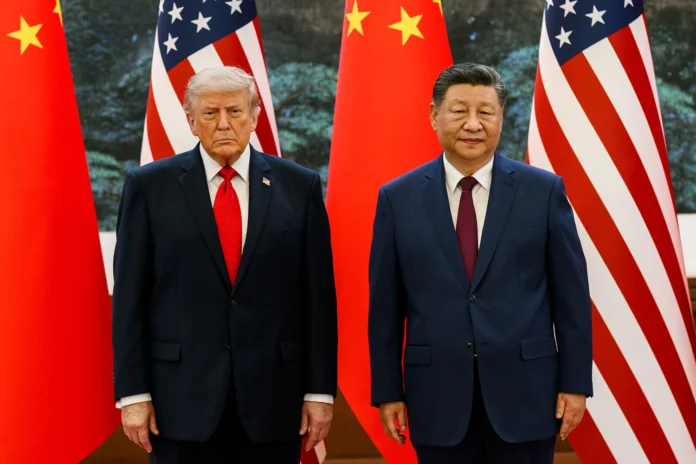
As the Trump administration prepares for a significant meeting between President Trump and President Xi Jinping of China, the White House has moved to tighten regulations surrounding artificial intelligence chip exports. The policy shift addresses previously identified loopholes in the export control framework that had allowed advanced semiconductor technology to reach unauthorized destinations. This regulatory action comes at a pivotal moment in U.S.-China relations, with AI technology emerging as one of the most contentious issues in bilateral discussions.
The timing of these regulatory adjustments underscores the administration’s commitment to maintaining technological superiority while simultaneously preparing for crucial diplomatic conversations. By closing gaps in existing export controls, the White House is signaling both resolve and strategic foresight in how it approaches competition with China. The measures reflect recognition that semiconductor technology underpins modern artificial intelligence capabilities, making chip security essential to national defense and economic security.
- White House implements stricter AI chip export regulations ahead of Trump-Xi meeting
- Administration targets previously identified loopholes in semiconductor export controls
- Regulatory action addresses vulnerabilities in current framework allowing unauthorized technology transfers
- Policy shift demonstrates coordination between security and diplomatic strategy
Why It Matters
Advanced semiconductor chips represent the foundation of artificial intelligence development, making their control strategically vital to both American technological leadership and national security. By tightening regulations before engaging with Beijing, the administration strengthens its negotiating position while demonstrating commitment to protecting American innovation. The move acknowledges that artificial intelligence will define global power dynamics for decades to come, and that chip technology is the critical chokepoint in that competition.
The regulatory adjustments also protect American companies that produce cutting-edge semiconductor technology. By establishing clearer controls and closing existing vulnerabilities, the administration provides a more stable regulatory environment while preventing the unauthorized export of technology that represents billions of dollars in American research and development investment. This approach balances commercial interests with national security imperatives, ensuring that economic growth does not come at the expense of strategic advantage.
- AI chip controls directly impact the trajectory of artificial intelligence development globally
- Tighter regulations protect American semiconductor companies and their intellectual property investments
- Clear export rules provide business certainty while maintaining security safeguards
- Policy positions the U.S. favorably in ongoing technological competition with China and other rivals
Political and Public Context
Semiconductor technology has emerged as one of the defining issues of great power competition in the 21st century. The Trump administration’s focus on AI chip controls reflects broader recognition that technological supremacy requires vigilant stewardship of critical industries. Previous administrations have implemented various export restrictions, but gaps in enforcement and regulatory clarity have created vulnerabilities that sophisticated actors could exploit.
The upcoming meeting between President Trump and President Xi represents an opportunity to establish clearer frameworks for technological competition and coexistence. By acting decisively on chip export controls beforehand, the administration demonstrates that it will not simply negotiate away American advantages. The White House approach reflects confidence that American technological innovation can thrive when protected by robust security measures, a philosophy that has gained significant support among policymakers across the political spectrum concerned with long-term competitiveness.
- Semiconductor export controls have been a bipartisan concern in Congress and among technology experts
- Previous administrations grappled with balancing commercial interests against security imperatives in chip policy
- China has invested heavily in semiconductor development as part of long-term technological independence strategy
- AI technology regulation has become increasingly prominent in U.S. foreign policy discussions
🔊 Trump and Xi meet tomorrow against a backdrop of AI chip restrictions and threats of retaliation. 'That is likely to limit expectations for a breakthrough between the Trump and Xi meeting.' Listen to @juminism on the Reuters World News podcast https://t.co/3dSswANV9O pic.twitter.com/uw4tKSLFRB
— Reuters (@Reuters) November 18, 2026
What Happens Next
The Trump-Xi meeting will likely feature substantive discussions about artificial intelligence development, chip manufacturing, and technological standards. How Beijing responds to the strengthened export controls will provide insight into whether productive dialogue can occur on these contentious issues. The administration will be watching carefully for signals about China’s willingness to engage on technology governance that respects American interests while potentially finding areas of mutual benefit.
Moving forward, the White House faces the challenge of maintaining regulatory consistency while remaining flexible enough to accommodate diplomatic progress if opportunities arise. The regulatory actions announced now will likely serve as a foundation for ongoing policy discussions within the administration and with international partners. The intersection of AI policy, chip security, and U.S.-China relations will continue to evolve as both nations pursue technological leadership in artificial intelligence applications.
- Trump-Xi meeting expected to include direct discussions of AI technology and semiconductor policy
- Administration will monitor Beijing’s response to new export control measures
- White House may announce additional technology security initiatives in coming weeks
- Long-term AI policy framework could emerge from diplomatic and policy developments over next several months