Story Highlights
- Retired pro-wrestler and former Minnesota governor Jesse Ventura leveled criticism at President Trump regarding his Vietnam War service record
- Ventura, a Navy veteran who completed two tours in Southeast Asia, contrasted his military background with Trump’s receipt of multiple draft deferments
- The ex-politician questioned the president’s qualifications to serve as military leader given his absence from combat service
- Ventura suggested that firsthand military experience would have shaped different foreign policy decisions
What Happened
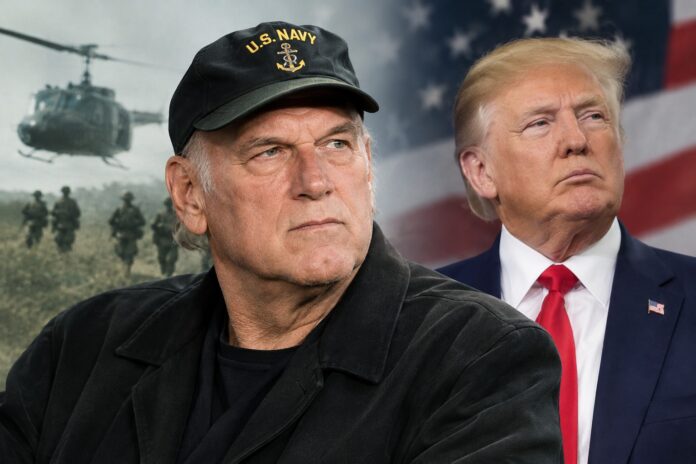
During a recent conversation with political streamer Hasan Piker, Jesse Ventura offered sharp commentary on President Trump’s military history and current role as commander-in-chief. Ventura, who served in the U.S. Navy, drew a direct comparison between his own service record and the president’s path during the Vietnam era. The retired wrestler and former Minnesota governor emphasized his credentials as a military veteran who spent 17 months completing two tours in Southeast Asia, during a period when the president pursued different options regarding military service.
Ventura noted that the president received five draft deferments spanning from 1968 to 1972, after which he was reclassified as permanently exempt from military service. One of those deferments was attributed to a medical condition affecting his heels. Despite this history, Ventura indicated that the president has made statements suggesting he possesses the capabilities and knowledge to serve in a high-ranking military position. The ex-politician expressed frustration with what he characterized as a disconnect between the president’s military service record and his subsequent assertions about military leadership.
- Ventura completed two tours spanning 17 months in Southeast Asia
- President received five draft deferments between 1968 and 1972
- President was permanently reclassified as exempt from military service in 1972
- Ventura indicated the president has made claims about possessing military leadership abilities
Why It Matters
The exchange highlights an ongoing tension in American political discourse regarding military service and its role in presidential qualifications. Ventura’s comments reflect concerns held by some military veterans about leaders who have not experienced combat or military obligation firsthand. His perspective suggests that direct military experience provides insights into the complexities and consequences of military decision-making that cannot be replicated through other means.
The broader implications of this criticism touch on debates about military preparedness, foreign policy judgment, and the weight Americans should assign to military service records when evaluating leaders. Ventura’s comparison between his two tours of duty and the president’s draft history represents a specific articulation of a class of concerns some citizens raise regarding the disconnect between those who serve in the military and those who make decisions affecting military deployment and strategy. The veteran’s assertion that military experience shapes foreign policy perspective suggests meaningful differences in how leaders approach military interventions and commitments abroad.
- Military veterans’ perspectives on leadership credibility and service records
- Questions about how combat experience informs foreign policy decision-making
- Public debate regarding draft history and its relevance to presidential qualifications
- Concerns about disconnect between military decision-makers and those with operational experience
Political and Public Context
Questions about the president’s military service history have surfaced periodically throughout his political career, extending back to his 2016 campaign and continuing into his current term. Various critics have raised similar points about the president’s draft deferments and their relation to his policy positions. Conversely, supporters have noted that the president’s business and executive experience, along with his policy decisions regarding military funding and national defense, demonstrate his commitment to military strength regardless of his personal service record.
Ventura’s intervention in this debate brings the perspective of an individual who has pursued careers spanning professional athletics, entertainment, and electoral politics. His Navy service provides him with a particular standing in discussions about military matters among public figures. The comparison between military veterans in public life and political leaders without such backgrounds remains a recurring element in American political conversation, with different constituencies weighing this factor differently when evaluating candidates and sitting officials.
- Questions about the president’s draft deferments raised since 2016 campaign
- Broader debate about military service as factor in evaluating political leaders
- Ventura’s background spanning professional wrestling, entertainment, and Minnesota governorship
- Different public perspectives on relevance of military service to executive qualifications
What Happens Next
Ventura’s comments are likely to circulate among political commentary communities and social media platforms where debates about the president’s record and qualifications continue. Whether the ex-governor intends to expand on his criticism or participate in broader discussions about the administration’s military and foreign policy decisions remains to be seen. The substance of Ventura’s assertion regarding how military experience influences approach to deployment and intervention may prompt discussion among policy analysts and defense experts.
The administration will likely continue implementing its defense and foreign policy agenda, with evaluations of these decisions occurring across the political spectrum. Whether Ventura’s specific criticisms gain traction among veterans’ organizations or influence broader public perception regarding the administration’s military leadership remains an open question. The ongoing conversation about military service, draft history, and presidential qualifications may surface again as political discourse develops in the coming months.
- Potential amplification of Ventura’s criticism through media and social platforms
- Continued evaluation of administration military and foreign policy decisions
- Possible response from administration officials or political allies to criticism
- Ongoing public debate regarding military service and leadership qualifications