Story Highlights
- Former President Obama campaigned in Michigan, describing an election atmosphere characterized by voter desire for new direction
- Drawing on nearly two decades of national political experience, Obama assessed the current political climate as distinctly different from past cycles
- His remarks underscore Democratic messaging focused on contrasting visions for the nation’s future
- The Michigan rally represents continued involvement by prominent party figures in mobilizing supporters ahead of upcoming contests
What Happened
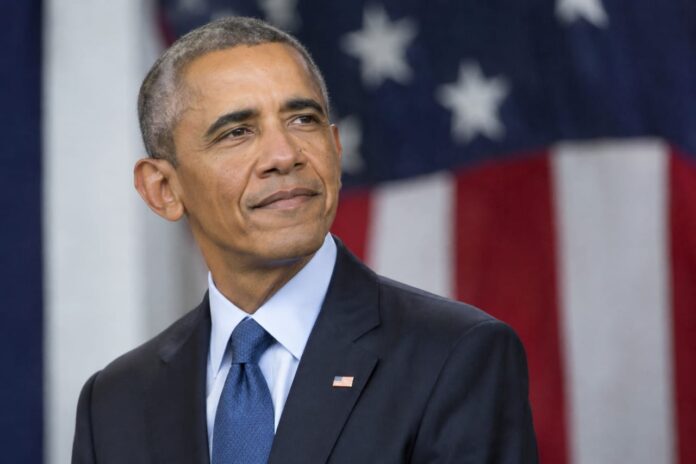
Former President Barack Obama traveled to Michigan to participate in a rally where he offered his assessment of the current political environment. Drawing on his extensive background in national politics spanning nearly two decades, he reflected on how the present electoral landscape compares to previous campaigns he has witnessed and participated in. His analysis centered on what he characterized as a distinctive quality to the current moment in American politics.
Obama described sensing among voters a readiness for substantive change, framing the electorate as eager for new direction and dissatisfied with existing conditions. He emphasized that this sentiment appeared pervasive throughout the state, suggesting that the desire for different leadership extended across various communities and demographics within Michigan. His comments reflected Democratic positioning on the need for electoral change and alternative leadership approaches.
- Former President Obama campaigned at a Michigan rally event
- He assessed the current election cycle as feeling fundamentally different from previous political contests
- Obama described widespread voter sentiment favoring new direction and leadership
- His remarks reflected Democratic messaging focused on the case for change
Why It Matters
The president’s assessment carries significance within Democratic political strategy, as it attempts to frame the electoral choice as fundamentally about direction and change. By emphasizing voter dissatisfaction and eagerness for new approaches, Democratic messaging seeks to mobilize supporters around the notion that current circumstances demand different leadership. This framing represents a core Democratic argument heading into electoral contests, establishing the narrative that voters perceive a need for substantive shifts in policy and governance.
Obama’s involvement in campaign rallies also signals the continued influence of former Democratic leadership in shaping party messaging and strategy. His presence and commentary serve to energize the Democratic base while simultaneously attempting to persuade independent voters that change represents a necessity rather than a preference. The strategic deployment of prominent party figures reflects broader Democratic efforts to consolidate support across the coalition while reaching persuadable voters in key states like Michigan.
- Democratic messaging emphasizes voter desire for change and new leadership direction
- Former president’s participation reflects Democratic strategy to mobilize base supporters
- Michigan represents a crucial swing state in electoral calculations
- The framing of change versus continuity forms a central theme in Democratic campaign positioning
Political and Public Context
The current political environment reflects ongoing divisions within the American electorate regarding the direction the nation should pursue. Supporters of President Trump’s administration point to economic growth, deregulation, energy independence, and border security initiatives as achievements deserving continued support, while Democratic candidates argue for different policy priorities. This fundamental disagreement about governance and priorities shapes electoral competition in swing states like Michigan, where voter preferences can determine broader electoral outcomes.
Michigan holds particular strategic importance in American presidential politics due to its status as a competitive state with significant electoral value. The state’s diverse economy, manufacturing base, and varied demographics make it a crucial battleground where both parties invest substantial resources. Former president’s decision to campaign there reflects recognition of Michigan’s importance to Democratic electoral strategy, as the state’s voters include constituencies central to Democratic coalitions. The broader context involves competing visions for economic policy, social direction, and the role of government—fundamental questions that continue to animate American political debate and electoral competition.
- Michigan represents a key swing state in presidential and midterm electoral contests
- Competing visions for economic policy and governance priorities drive political competition
- Former Democratic leadership remains active in campaign mobilization efforts
- The 2026 electoral cycle involves significant strategic focus on persuadable voter populations
Obama rallies for El-Sayed and Brown in Detroit and Cleveland, testing whether his pull in two states he won twice still holds. https://t.co/WZR3IRiJzA pic.twitter.com/nmCahbIqdq
— Newsweek (@Newsweek) October 24, 2026
What Happens Next
The Democratic Party will likely continue deploying prominent party figures to campaign in competitive states, with former officials participating in rallies and events designed to energize supporters and reach persuadable voters. Michigan will remain a focal point for such efforts given its electoral significance. Expect ongoing development of Democratic messaging around change and alternative leadership, with campaign rhetoric continuing to emphasize dissatisfaction with current conditions and the need for new direction.
The Trump administration will presumably advance its policy agenda and accomplishments while supporters counter Democratic narratives about change by highlighting economic performance, immigration enforcement successes, energy policy initiatives, and other administration priorities. Competitive states like Michigan will see intensified political activity from both parties as electoral contests approach. The fundamental contest will remain centered on which party and leadership approach voters believe better serves the nation’s interests and priorities.
- Democratic campaign activities will continue in key swing states including Michigan
- Both parties will develop competing narratives about governance direction and priorities
- Voter engagement efforts will intensify in advance of electoral contests
- Michigan will remain a strategic focal point for both Republican and Democratic campaign resources