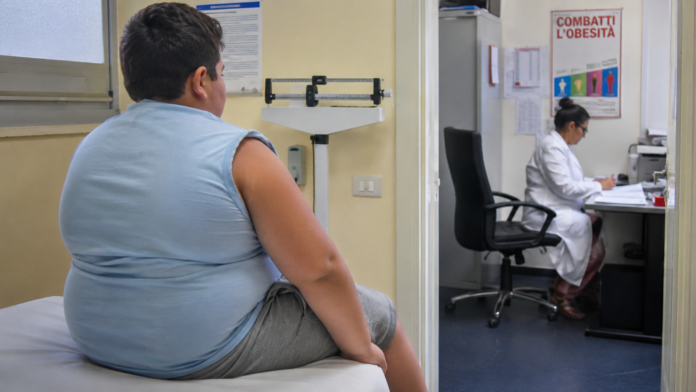
Story Highlights
- Italy, long celebrated as the home of the Mediterranean diet, is now confronting a serious and growing child obesity epidemic.
- In some parts of southern Italy, more than 40% of eight and nine-year-olds are classified as overweight.
- Medical professionals report that obesity-related surgical cases are now appearing in teenagers as young as 16, a dramatic shift from prior decades.
- Experts warn that ultra-processed foods have largely displaced traditional dietary habits across the country.
What Happened
Italy, a nation historically regarded as the spiritual home of the Mediterranean diet, is now facing one of the most alarming child obesity rates in Europe. According to data from the World Health Organization, Italian children rank among the most overweight on the continent. The crisis is most severe in the southern regions of the country, particularly in the Campania region, where communities surrounding Naples have drawn international attention for the scale of the problem.
The town of Ponticelli, located on the outskirts of Naples, has developed a reputation as one of the global centers of childhood obesity. Medical facilities in the area are treating increasingly younger patients for conditions that were, until very recently, associated almost exclusively with middle-aged adults. Physicians working in bariatric medicine in the region have noted a stark and troubling generational shift in their patient demographics, with teenagers now presenting with the same severity of obesity-related health complications that were previously seen only in people in their fifties.
- Over 40% of eight and nine-year-olds in parts of the Campania region are overweight.
- Ponticelli, near Naples, has been identified as one of the world’s child obesity capitals.
- Bariatric surgeons at Betania Hospital are treating obesity patients as young as 16.
- Demand for weight-loss surgery has risen sharply in southern Italy in recent years.
Why It Matters
The health implications of this trend are severe and far-reaching. Children who develop obesity at a young age face significantly elevated risks of chronic conditions including type 2 diabetes, cardiovascular disease, and joint disorders as they age. The fact that surgical interventions once reserved for adults are now being considered for teenagers underscores just how critical the situation has become. In some cases, patients are so severely affected that standard bariatric surgery is deemed too dangerous to perform, requiring physicians to first administer pharmaceutical interventions such as GLP-1 weight-loss injections to reduce body mass to safer levels before any surgical procedure can be attempted.
Beyond individual health outcomes, the crisis places significant strain on Italy’s healthcare system and signals a broader societal shift away from the nutritional values that made Italian food culture a global model. Experts indicate that this trend, if left unaddressed, will create a generation burdened by preventable chronic illness, with long-term economic and public health consequences for the country.
- Teenagers are now undergoing or being evaluated for bariatric surgical procedures previously limited to adults.
- Some patients are too high-risk for surgery and must first use pharmaceutical weight-loss treatments.
- Italy’s public health infrastructure faces growing pressure from obesity-related cases among youth.
- Long-term risks include type 2 diabetes, cardiovascular disease, and reduced quality of life for affected children.
Political and Public Context
The origins of the Mediterranean diet as a recognized health framework trace back to research conducted in southern Italy in the 1950s, when American physiologist Ancel Keys and biochemist Margaret Keys studied communities in the region and found a strong correlation between their dietary habits and exceptionally low rates of heart disease. Their findings elevated a regional way of eating into one of the most widely endorsed dietary models in the world. For decades, Italy was held up internationally as a living example of how traditional food culture could promote longevity and well-being.
That foundation has eroded considerably. Nutrition experts now estimate that only approximately 10% of Italians genuinely adhere to the traditional Mediterranean diet. Supermarket shelves across the country are increasingly stocked with ultra-processed foods, and even culturally iconic foods like pizza are now commonly prepared with calorie-dense toppings far removed from traditional recipes. The transformation reflects broader global trends in food consumption, but the contrast with Italy’s historical identity makes the shift particularly significant and widely noted by health researchers.
- Ancel and Margaret Keys conducted foundational research on the Mediterranean diet in 1950s southern Italy.
- Only an estimated 10% of Italians currently follow a traditional Mediterranean diet, according to nutrition experts.
- Ultra-processed food availability has expanded significantly in Italian supermarkets and restaurants.
- The WHO has flagged Italian children as among the most overweight in Europe.
What Happens Next
Health officials and medical professionals working in affected regions are calling for coordinated action to address the crisis at both the community and national level. Interventions under consideration include public education campaigns targeting families, school-based nutrition programs, and tighter regulation of ultra-processed food marketing directed at children. Pediatric specialists and bariatric physicians are also advocating for earlier screening and intervention protocols so that at-risk children can receive support before their conditions become severe enough to require surgical treatment.
The situation also raises broader questions about food policy and the role of government in shaping dietary environments. As pharmaceutical weight-loss treatments become more widely available and increasingly prescribed to younger patients, debates around the long-term safety and ethical dimensions of such approaches for minors are expected to intensify within Italy’s medical community and beyond.
- Calls are growing for national-level policy responses addressing ultra-processed food marketing to children.
- Pediatric screening and early intervention programs are being evaluated to catch obesity earlier.
- GLP-1 pharmaceutical treatments are being used in teenage patients as a bridge to surgical eligibility.
- Ongoing debate is expected regarding the ethics and safety of weight-loss drugs for minors.