Story Highlights
U.S. stocks slipped modestly in light year-end trading as major indexes edged lower.
Despite the small declines, markets remain on track to finish 2025 with double-digit annual gains led by AI and tech sectors.
Trading volumes were thin, reflecting a holiday-shortened week and mixed investor sentiment.
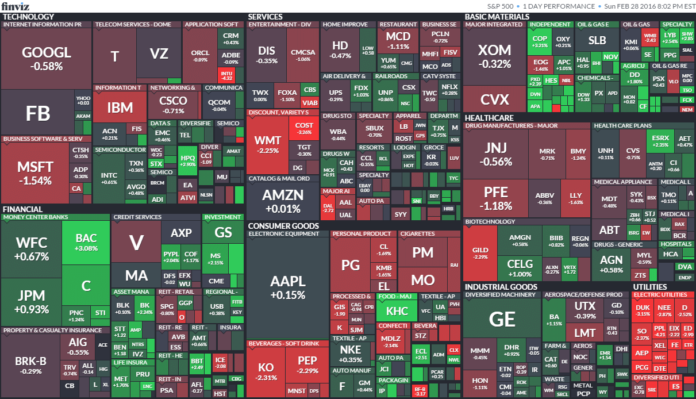
On the final trading day of 2025, Wall Street’s major stock indexes — including the S&P 500, Dow Jones Industrial Average, and Nasdaq Composite — opened slightly lower and recorded modest losses as investors wrapped up the year. The S&P 500 and Nasdaq each dipped marginally, while the Dow fell a small fraction, with trading volume subdued in the holiday period. Markets are exhibiting light trading patterns typical of late-December sessions, and investor focus has shifted toward expectations for the Federal Reserve’s policy direction in 2026.
Why this matters is that the performance of Wall Street in the final days offers a preview of investor confidence heading into the new year. Despite the slight pullback, the U.S. stock market is poised to finish 2025 with robust gains — a testament to strong corporate earnings and sustained interest in technology and AI-related companies. The broad indexes’ resilience reflects underlying optimism among many market participants, even as traders balanced profit-taking, concerns about high valuations, and macroeconomic uncertainties.
From a broader perspective, the late-year trading session underscores the market’s transitionary state: moderation after a strong rally. Thin liquidity can exaggerate price moves, and some sectors — particularly communication services and tech — have led gains throughout the year but also showed pockets of weakness late in the session. This dynamic suggests that, while 2025 ends with strong headline numbers, 2026 may bring a shift toward sector rotation and a focus on fundamentals amid changing monetary policy expectations.
Implications
Investors and policymakers alike will be watching early-2026 data for signs of how markets adjust to shifting economic conditions, especially around inflation, interest rates, and geopolitical risk. A soft year-end dip in the context of overall growth could signal healthy profit-taking rather than systemic weakness, but it also highlights the importance of market depth and volume in sustaining longer-term uptrends.