Story Highlights
• A powerful winter storm disrupted air and ground travel across large parts of the United States.
• Thousands of flights were canceled or delayed as snow, ice, and strong winds spread.
• Authorities warned that travel disruptions could persist as the storm system moves east.
What Happened
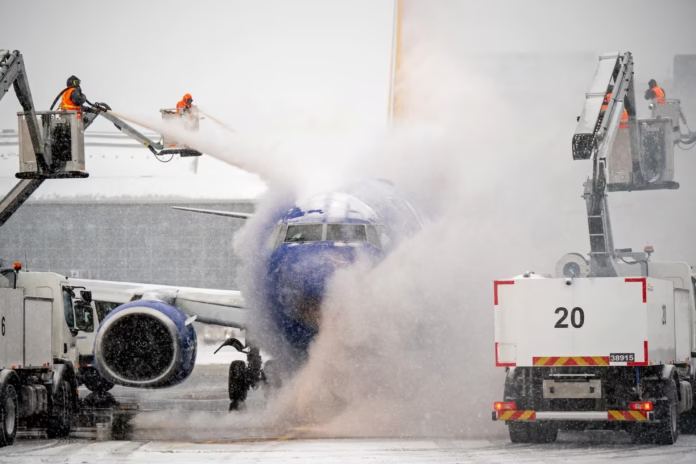
A major winter storm swept across wide areas of the United States, snarling air and road travel and forcing thousands of flight cancellations, according to Reuters. Heavy snow, freezing rain, and strong winds affected regions from the Rockies through the Midwest and into parts of the Northeast, creating hazardous conditions at major transportation hubs.
Airlines canceled flights as crews struggled with icy runways and poor visibility, while delays cascaded across the national air travel network. Highway officials in several states urged motorists to avoid non‑essential travel as accidents increased and road conditions deteriorated. Some areas also reported power outages as ice and wind damaged infrastructure.
Meteorologists said the storm system intensified as it moved eastward, with weather alerts covering tens of millions of people. Emergency crews were deployed across multiple states to respond to stranded motorists, accidents, and weather‑related incidents.
Why It Matters
Severe winter storms have an outsized impact on the U.S. transportation system, which relies on tightly coordinated airline schedules and interstate freight movement. Even short disruptions can ripple through supply chains, delaying deliveries, affecting retail inventories, and increasing costs for businesses.
For travelers, mass cancellations translate into missed connections, rebooking challenges, and higher travel expenses. Airlines and logistics companies also face operational losses and recovery challenges that can persist for days after conditions improve.
Such storms also place pressure on local governments and emergency services, testing preparedness and response capabilities during peak winter conditions.
Political and Geopolitical Implications
Domestically, large‑scale weather disruptions often renew attention on infrastructure resilience, emergency preparedness, and transportation funding. Lawmakers may face renewed calls to assess whether airports, highways, and power grids are equipped to handle increasingly frequent extreme weather events.
While the storm is a domestic event, disruptions to U.S. air travel can have international effects. The United States plays a central role in global aviation, and widespread cancellations can affect international flights, cargo movement, and tourism flows beyond its borders.
Implications
Forecasters warned that additional snowfall and icy conditions could prolong disruptions before the storm system weakens. Airlines and transportation agencies are preparing for a gradual recovery, though backlogs are likely.
As extreme weather events become more common, analysts say the economic and logistical costs of major winter storms are likely to rise. How quickly travel networks rebound from this storm will be closely watched by industry and government officials alike.