Story Highlights
- Riverside County wildfire now largely contained
- Evacuation orders lifted for many residents
- Fire crews continue monitoring hotspots
What Happened
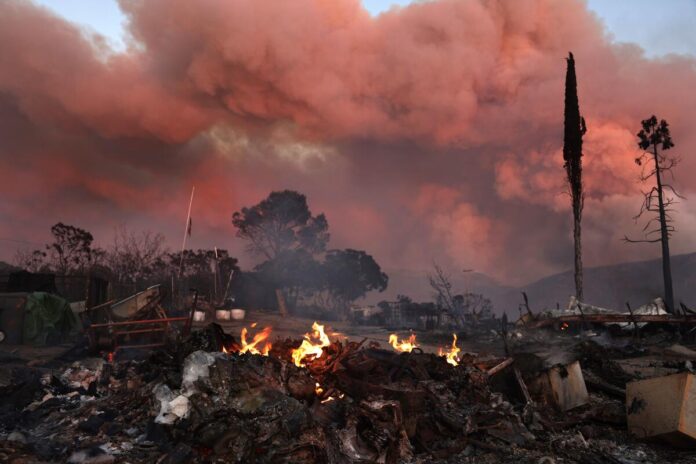
A fast-moving wildfire in Southern California, particularly in Riverside County, has been brought largely under control after days of intensive firefighting efforts. According to reports from Associated Press, the blaze had initially spread rapidly due to dry vegetation, strong winds, and elevated temperatures—conditions that are common during California’s fire-prone seasons.
Local authorities responded swiftly, deploying ground crews, aerial support, and emergency services to contain the spread. At its peak, the wildfire forced thousands of residents to evacuate their homes as a precautionary measure. Entire communities were placed under evacuation orders, and emergency shelters were activated to accommodate displaced families.
As containment levels improved, officials began lifting evacuation orders across multiple affected zones. Residents were gradually allowed to return home, although some areas remain under monitoring due to lingering risks such as hotspots and structural damage. Firefighters continue to patrol the region to prevent flare-ups, especially in areas where vegetation remains highly combustible.
Why It Matters
Wildfires in California have become an increasingly frequent and severe challenge, driven by a combination of climate conditions, land management practices, and population expansion into fire-prone areas. This latest incident highlights how quickly such fires can escalate and disrupt communities, even with rapid emergency response.
The ability to contain the fire before it caused widespread destruction is a significant outcome. It reflects improvements in firefighting coordination, early warning systems, and resource deployment. However, it also underscores the ongoing vulnerability of regions that face recurring wildfire threats each year.
For residents, the lifting of evacuation orders marks a return to normalcy, but it often comes with lingering concerns. Even when homes are spared, the psychological and economic impacts of evacuation—lost workdays, temporary displacement, and uncertainty—can be substantial. Recovery efforts typically extend beyond containment, involving damage assessment, infrastructure repair, and environmental restoration.
Geopolitical and Environmental Implications
While wildfires are primarily local events, their broader implications extend into environmental policy and national planning. In the United States, large-scale wildfires have prompted increased discussions around climate resilience, forest management, and disaster preparedness at both the state and federal levels.
California, in particular, has been at the center of these discussions due to the frequency and scale of its wildfire seasons. Policymakers are continuously evaluating strategies such as controlled burns, improved zoning regulations, and investment in firefighting infrastructure. The effectiveness of these measures often determines how well future incidents can be managed.
Additionally, wildfires contribute to air quality issues that can affect neighboring regions, sometimes even crossing state lines. Smoke and particulate matter can pose health risks, especially for vulnerable populations such as children, the elderly, and individuals with respiratory conditions. As a result, wildfire management is not only an environmental concern but also a public health priority.
Implications
The successful containment of this wildfire offers a moment of relief, but it also serves as a reminder of the persistent challenges posed by extreme weather and environmental conditions. Continued investment in prevention, early detection, and rapid response systems will be essential to mitigate future risks.
As communities rebuild and reflect on this incident, the focus will likely remain on strengthening resilience—both in terms of infrastructure and emergency preparedness. While this event ended without catastrophic loss, it reinforces the importance of staying vigilant in regions where wildfires are an ongoing reality.