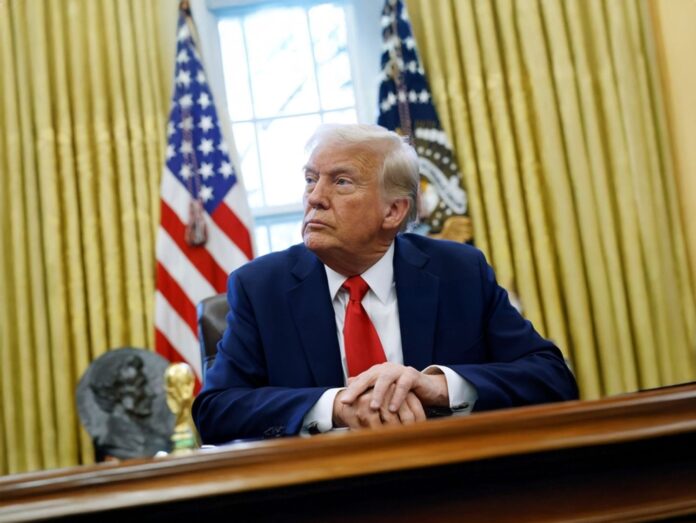
In a move that’s drawing fierce debate across Washington and Wall Street, President Donald Trump has dismissed Bureau of Labor Statistics (BLS) Commissioner Erika McEntarfer following the release of a disappointing jobs report for July. The White House insists the decision was about “accountability” in federal economic reporting. But critics—economists, data experts, and politicians—are sounding the alarm, warning the firing sets a dangerous precedent and could erode public trust in U.S. government data.
🔍 What Sparked the Controversy?
The July jobs report, released just days before the dismissal, showed the U.S. economy added only 73,000 jobs—a stark drop compared to earlier projections. Even more troubling were major downward revisions to May and June figures, totaling more than 250,000 jobs fewer than previously reported.
Trump, clearly dissatisfied, acted swiftly. He claimed the data was “inaccurate” and “rigged” against his administration, ordering McEntarfer’s removal without offering detailed evidence.
White House adviser Kevin Hassett defended the move, stating in a press briefing, “The President expects precision and transparency in all federal departments, especially when it comes to economic health.”
⚠️ Critics Warn of Deep Institutional Damage
Former Treasury Secretary Larry Summers issued a stark rebuke, saying the firing “undermines the independence and credibility of the federal statistical system.”
In an interview with The New York Times, Summers noted, “Once a president starts firing data officials based on how the numbers look, democracy takes a hit. You can’t govern effectively without reliable, impartial data.”
Veteran political journalist Joe Scarborough also weighed in on MSNBC’s Morning Joe, comparing the administration’s reaction to propaganda tactics. “This is Baghdad Bob 2.0,” he said, referencing the infamous Iraqi spokesperson known for spinning facts. “Trump loved the jobs data when it helped him. Now he’s turning on the people producing it?”
📈 Why It Matters for Americans and Markets
For everyday Americans, this may sound like bureaucratic drama. But the implications run deep. The BLS is central to economic policy, responsible for reporting inflation, unemployment, and wage trends. These numbers directly impact:
Interest rate decisions by the Federal Reserve
Business hiring and investment plans
Government spending and stimulus measures
According to MarketWatch, after the firing, stock market volatility increased and economists began questioning whether future data could be politically manipulated. “It’s not about this report. It’s about whether we can believe the next one,” said Bridgewater hedge fund founder Ray Dalio.
🧠 A Pattern of Discrediting the Messenger?
Trump’s critics argue this isn’t a one-time issue. During his past term, he cast doubt on:
COVID-19 case and death numbers
Election results in 2020
Climate change research
Crime statistics from the FBI
“This is consistent with a pattern of discrediting any institution that delivers bad news,” said Dr. Emily Chen, a data ethics professor at Stanford. “It breaks the feedback loop between reality and leadership.”
🛑 What Comes Next?
Despite the backlash, the White House is not backing down. Press Secretary Jane Abrams said a replacement for McEntarfer will be announced soon and that the administration is seeking someone with “a fresh perspective on data accountability.”
Meanwhile, Senate Democrats are calling for hearings into the dismissal, arguing it violates the tradition of insulating statistical agencies from political pressure.
“This might seem like a staffing decision, but it’s really a warning sign for democratic norms,” said Senator Tim Kaine.