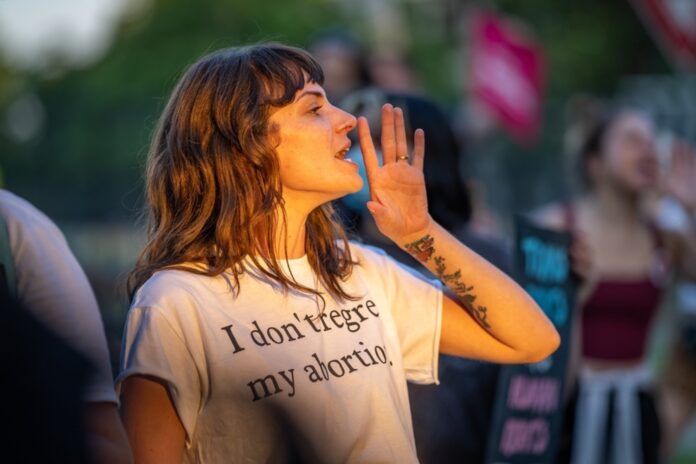
The Department of Veterans Affairs (VA) has proposed a near-total ban on abortion care and counseling at VA facilities, reversing the broader access that existed since 2022. Under the draft rule, the only exception would be when a physician certifies the pregnancy threatens the life of the patient—no exceptions for rape, incest, or threats to the patient’s health. A 30-day public comment window opened with the filing.
What’s actually in the proposal
Restores the old exclusion. The VA says it is reverting to the medical-benefits package in place from 1999–2022, which excluded abortion and abortion counseling.
Narrow exception. Care would be permitted only if a doctor certifies the patient’s life would be endangered by continuing the pregnancy.
Counseling limits. The draft would also bar abortion counseling, not just procedures, within VA facilities.
Timing. The proposal was posted to the Federal Register on Aug. 4, 2025, triggering a 30-day comment period (through early September). Federal RegisterRegulations
Why the VA says it’s doing this
VA officials argue the 2022 policy (which allowed abortions in limited circumstances, including rape, incest, or health risks) lacked clear statutory grounding. Reinstating the prior exclusion, they say, aligns the department with long-standing practice and the spirit of federal funding limits on abortion. Supporters also point to the VA’s unique national footprint and insist agency rules should track federal law rather than a patchwork of state policies. Federal Register
Why opponents say it goes too far
Veterans’ groups, reproductive-rights advocates, and some lawmakers warn the draft would strip care from survivors of rape and incest and force veterans to travel or forgo treatment, especially in states with strict bans. They also argue counseling restrictions could chill medical conversations in emergencies where time matters. Coverage & policy analysts note that, since 2022, relatively few cases were handled each year, but for those patients the care was essential. Center for Reproductive RightsNational Women’s Law CenterAP News
What changes for veterans if this is finalized?
Care at VA facilities: Most abortions would no longer be available, even in cases of rape or incest.
Emergency scenarios: Care would be available only if continuing the pregnancy endangers the patient’s life, and a physician certifies it.
Counseling: Providers would be barred from offering abortion counseling, which clinicians and advocates say could complicate decision-making and referrals.
Practical impact: Veterans in states with strict bans may face higher costs, travel, and delays—while those in any state would lose VA-based options and counseling. Stars and Stripes
https://x.com/ReproRights/status/1956820839506092220
What happens next
This is a proposed rule, not final. The agency must review public comments before deciding whether to finalize, revise, or withdraw it. Meanwhile, members of Congress have already signaled plans for legislation for and against the change, but passage is uncertain. Expect legal challenges if the rule is finalized. Congresswoman Julia Brownley
Bottom line
The draft rule would mark one of the strictest federal abortion policies in effect anywhere in the U.S. health system—especially because it applies nationwide across VA facilities. The fight is now in the public-comment phase and, likely, the courts.