Story Highlights
U.S. Navy warships intercepted multiple missiles launched by Houthi militants
Attacks targeted international shipping routes in the Red Sea
Pentagon says actions were taken to protect global maritime trade
Rising tensions increase risks for global energy and shipping markets
Situation Overview
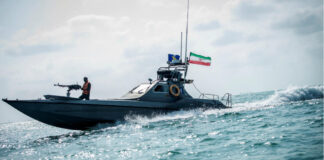
The United States Navy intercepted several missiles launched by Yemen’s Iran-backed Houthi forces in the Red Sea, according to defense officials monitoring the region’s escalating maritime tensions.
American warships operating as part of a multinational maritime security mission detected and destroyed the incoming projectiles before they could threaten commercial shipping vessels traveling through one of the world’s most important trade corridors.
The militant group, based in Yemen, has repeatedly targeted cargo ships and energy transport vessels moving through the Red Sea and Bab el-Mandeb Strait. U.S. officials say these attacks are part of a broader regional conflict tied to tensions involving Iran and its network of allied groups.
Key Developments
Recent developments surrounding the Red Sea security crisis include:
U.S. Navy destroyers intercepting multiple missile launches
International naval patrols escorting commercial shipping vessels
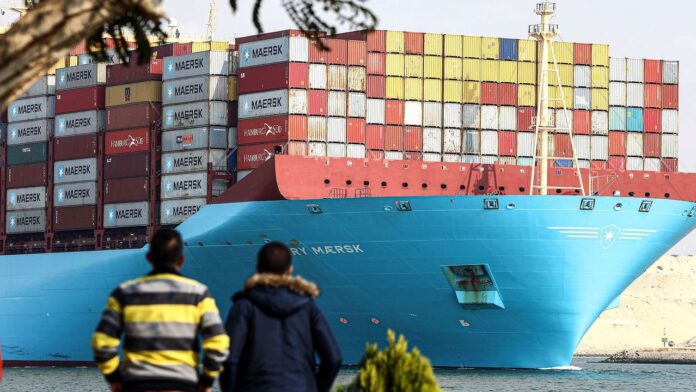
Several shipping companies temporarily rerouting cargo around Africa
Increased military surveillance across the Red Sea corridor
Pentagon officials say protecting maritime routes is essential because the Red Sea handles a major portion of global trade and energy shipments.
Why It Matters
The Red Sea corridor connects the Mediterranean Sea to the Indian Ocean through the Suez Canal, making it one of the most strategically important maritime routes in the world.
Security analysts warn that sustained attacks on shipping could trigger major economic disruptions, including:
Rising global oil prices
Delays in international supply chains
Higher shipping insurance costs
Increased military deployments by Western countries
Supporters of Donald Trump argue that strong military deterrence is necessary to prevent militant groups from threatening global trade routes and destabilizing international markets.
Strategic Implications
Military analysts are closely monitoring whether the attacks escalate further or remain limited.
Key indicators include:
Additional missile or drone launches from Houthi-controlled areas
Expanded naval deployments by the United States and allied countries
Iranian political or military responses to maritime operations
Changes in global shipping routes and insurance costs
The Red Sea has increasingly become one of the most active security flashpoints affecting both regional stability and the global economy.
What Comes Next
U.S. naval commanders say patrols and defensive operations will continue as long as missile threats remain active in the region.
Shipping companies and governments are expected to maintain heightened security measures while monitoring whether the situation escalates into a broader regional confrontation.
For Washington and its allies, maintaining safe maritime navigation remains a central strategic priority.