Story Highlights
Donald Trump urged allied nations to contribute naval support to protect shipping in the Strait of Hormuz.
The waterway carries a significant share of global oil shipments, making it a critical route for international energy trade.
Officials say international cooperation could strengthen maritime security and deter potential threats.
What Happened
The United States has called on allied nations to help reinforce maritime security in the Strait of Hormuz, one of the most strategically important waterways in the world. President Donald Trump urged major economies and security partners to contribute naval resources to help safeguard shipping routes in the region.
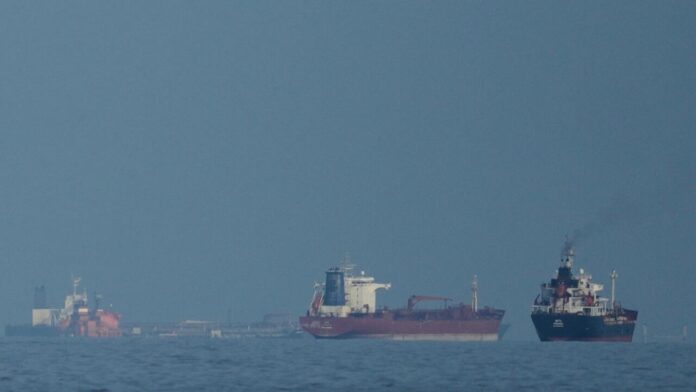
According to reporting from Reuters, the proposal involves forming a broader international maritime security presence designed to protect commercial vessels traveling through the Persian Gulf. Officials indicated that several allied countries have been approached about providing naval assets, surveillance capabilities, and logistical support.
U.S. defense officials said the initiative aims to ensure that commercial shipping can move safely through the region despite rising geopolitical tensions. The Strait of Hormuz is a narrow passage connecting the Persian Gulf to the Arabian Sea and serves as a key transit route for oil shipments traveling from the Middle East to global markets.
Why It Matters
The Strait of Hormuz plays a vital role in the global energy system. Roughly one‑fifth of the world’s oil supply passes through the waterway each day, making it one of the most important chokepoints in international trade.
Any disruption to shipping in the region can quickly affect global energy prices and supply chains. Even minor security incidents can lead to increased insurance costs for shipping companies and create volatility in international oil markets.
Because the waterway serves multiple countries and international trade routes, maintaining security in the region often requires cooperation between governments and naval forces. Multinational maritime patrols are sometimes used to deter threats and ensure safe passage for commercial vessels.
Political and Geopolitical Context
Security in the Persian Gulf has been a central element of international diplomacy for decades. The United States and its allies have frequently coordinated naval patrols to maintain freedom of navigation and protect commercial shipping.
The Trump administration has emphasized the importance of international burden‑sharing in security operations. Officials argue that because the shipping route supports the global economy, multiple nations should contribute resources to ensure its protection.
At the same time, diplomatic engagement remains an important part of maintaining long‑term stability in the region. Analysts note that maritime security initiatives often operate alongside diplomatic efforts aimed at reducing tensions among regional actors.
Implications
If allied countries join the proposed maritime security effort, it could strengthen the ability of international forces to monitor shipping lanes and respond quickly to potential threats. A coordinated security presence may also help reassure energy markets and shipping companies that global trade routes will remain open.
In the long term, the initiative highlights the continued importance of international cooperation in protecting key economic infrastructure. As global trade and energy markets remain interconnected, safeguarding major shipping routes will likely remain a priority for governments and defense planners.
Sources
Trump urges allies to help secure Strait of Hormuz shipping lanes