Story Highlights
U.S. transportation and logistics activity remains steady across key sectors.
Freight movement reflects consistent demand and improving supply chain efficiency.
Analysts say stable transport activity supports broader economic resilience.
What Happened
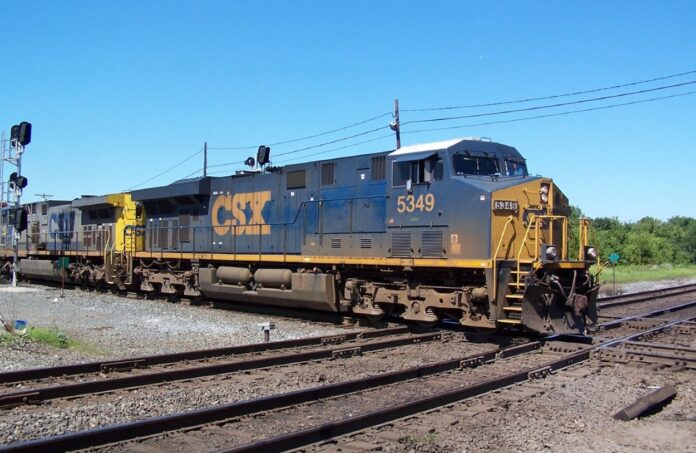
Recent data indicates that the U.S. transportation sector is experiencing steady activity, with consistent movement of goods across major logistics networks. Freight volumes across trucking, rail, and shipping channels remain stable, reflecting ongoing demand from businesses and consumers.
According to reporting from Reuters, logistics indicators show that supply chains are functioning efficiently, supported by improvements in infrastructure, technology, and operational coordination. While growth is not accelerating significantly, the ability to maintain stable activity levels highlights the resilience of the transportation sector.
Industry analysts note that the steady performance is being driven by continued demand in sectors such as retail, manufacturing, and e-commerce. These industries rely heavily on transportation networks to move goods efficiently, making logistics a critical component of economic activity.
Companies in the transportation sector are also leveraging technology to enhance efficiency. From route optimization and real-time tracking to automation in warehouses, innovations are helping improve performance and reduce operational costs. These advancements are contributing to a more streamlined and responsive logistics environment.
Why It Matters
The transportation sector plays a vital role in the U.S. economy by enabling the movement of goods and supporting supply chains. Stable transportation activity ensures that products reach businesses and consumers in a timely and efficient manner, which is essential for maintaining economic stability.
For businesses, reliable logistics systems reduce delays, lower costs, and improve operational efficiency. This is particularly important for industries that depend on just-in-time delivery models, where timing and coordination are critical.
Transportation activity also has a direct impact on employment. The sector supports a wide range of jobs, including truck drivers, warehouse workers, logistics managers, and infrastructure operators. Stable demand in transportation can help sustain employment levels and support regional economies.
In addition, transportation data provides valuable insights into economic trends. Freight movement is often used as an indicator of economic activity, as it reflects demand for goods and the overall health of supply chains.
Economic and Industry Context
Transportation trends are closely linked to broader economic conditions, including consumer spending, manufacturing output, and global trade. The current steady activity reflects a balance among these factors, with consistent demand supporting logistics operations.
The Federal Reserve and other policymakers monitor transportation data as part of their assessment of economic performance. Stable logistics activity suggests that supply chains are functioning effectively and that economic activity remains on a steady path.
Global factors also influence transportation. Trade flows, energy prices, and geopolitical developments can affect shipping volumes and logistics costs. The ability of the U.S. transportation sector to maintain stability despite these variables highlights its adaptability.
Technological advancements are transforming the industry. Digital platforms, automation, and data analytics are improving efficiency and enabling better decision-making. These innovations are helping companies optimize operations and respond to changing demand patterns.
Infrastructure investment also plays a key role. Improvements in roads, ports, and rail systems enhance the capacity and reliability of transportation networks, supporting long-term growth in the sector.
Implications
If current trends continue, the U.S. transportation sector is likely to remain a stable and supportive component of the economy. Consistent freight activity can help sustain supply chains, support business operations, and contribute to overall economic resilience.
For businesses, reliable logistics systems provide a foundation for growth. Companies can plan production, manage inventory, and meet customer demand more effectively when transportation networks operate efficiently.
For policymakers, transportation data offers important insights into economic conditions. Continued investment in infrastructure and technology may further strengthen the sector and support long-term economic development.
In the broader context, the transportation sector will continue to evolve as technology advances and global trade patterns shift. Maintaining flexibility and innovation will be essential for ensuring that logistics systems remain efficient, reliable, and capable of supporting future growth.
Sources
U.S. transportation activity shows steady growth amid stable demand