Story Highlights
• A senior U.S. trade official said the Supreme Court understands the high stakes in a major tariff case.
• The case challenges the legal basis for tariffs imposed under U.S. trade law.
• The outcome could have broad implications for U.S. trade authority.
What Happened
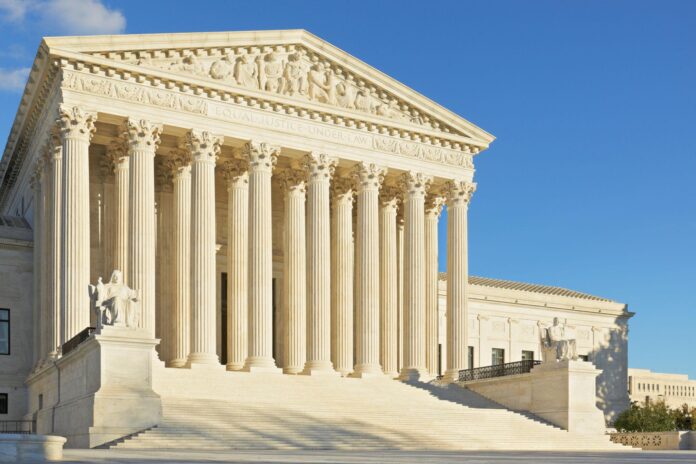
A senior official from the Office of the United States Trade Representative said the U.S. Supreme Court is fully aware of the far‑reaching implications of a legal challenge to tariffs imposed under U.S. trade law, according to Reuters. The case questions whether the executive branch exceeded its authority when implementing certain tariffs.
The tariffs in question were imposed using existing trade statutes that grant the president broad discretion to act in response to national security or unfair trade practices. Plaintiffs argue those powers were stretched too far, while the government maintains that the measures were legally justified.
The Supreme Court’s decision on whether to hear or how to rule on the case could clarify the limits of presidential trade authority.
Why It Matters
Tariffs are a central tool of U.S. trade policy, affecting prices, supply chains, and relations with trading partners. A ruling that narrows executive authority could significantly reshape how future administrations use tariffs.
For businesses, the case introduces uncertainty about the durability of existing trade measures. Companies that have adjusted supply chains or pricing strategies around tariffs are closely watching for legal clarity.
Markets also pay attention, as changes to tariff authority can influence inflation, corporate costs, and international trade flows.
Political and Geopolitical Implications
Domestically, the case touches on the balance of power between Congress and the executive branch in setting trade policy. Lawmakers on both sides have debated whether trade authority has tilted too far toward the presidency.
Geopolitically, U.S. tariff policy plays a major role in relations with allies and rivals alike. Any Supreme Court ruling that limits tariff authority could alter how the U.S. negotiates trade disputes and enforces economic pressure abroad.
Foreign governments are closely monitoring the case, as it may affect long‑term trade predictability with the United States.
Implications
If the Supreme Court sides with the challengers, future tariff actions could require clearer congressional authorization, potentially slowing U.S. trade responses. If the government prevails, existing trade authorities would be reaffirmed.
Either outcome would shape how the U.S. deploys economic tools in trade and geopolitical disputes. For now, officials say the Court recognizes the significance of the case, underscoring its potential impact on U.S. trade policy.
Source
U.S. trade negotiator says Supreme Court understands stakes in tariff case — Reuters