Story Highlights
U.S. technology companies are increasing investment in artificial intelligence infrastructure.
AI is becoming a central driver of innovation across industries.
Analysts say sustained investment could shape long-term economic growth.
What Happened
The U.S. technology sector is significantly increasing its investment in artificial intelligence (AI), with major firms allocating substantial resources toward expanding infrastructure, research, and product development. Companies are focusing on building advanced computing systems, enhancing machine learning capabilities, and integrating AI into a wide range of applications.
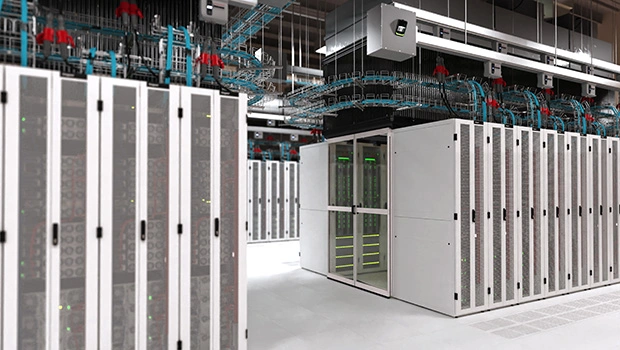
According to reporting from Reuters, leading technology companies are scaling up capital expenditure to support AI-driven services, including cloud computing platforms, automation tools, and data analytics systems. These investments include the construction of high-capacity data centers and the deployment of specialized hardware designed to process large datasets required for AI training.
Industry leaders have emphasized that AI is no longer a niche technology but a core component of business strategy. Organizations are increasingly embedding AI into products and services, from enterprise software solutions to consumer-facing applications. This shift reflects growing demand for intelligent systems that can enhance efficiency, improve decision-making, and deliver personalized experiences.
The expansion of AI investment is also being driven by competition within the technology sector. Companies are seeking to strengthen their capabilities to remain competitive in a rapidly evolving landscape. By investing in AI infrastructure and talent, firms aim to position themselves at the forefront of innovation.
Why It Matters
Artificial intelligence is widely regarded as one of the most transformative technologies of the modern era. Its applications span multiple industries, including healthcare, finance, manufacturing, and logistics. By enabling automation, data analysis, and predictive capabilities, AI has the potential to significantly improve productivity and efficiency.
For businesses, increased investment in AI can lead to competitive advantages. Companies that successfully integrate AI into their operations may be able to reduce costs, enhance performance, and create new revenue streams. This can drive growth and innovation across sectors.
For consumers, AI-driven technologies can improve everyday experiences. From personalized recommendations and virtual assistants to smarter digital services, AI is reshaping how people interact with technology.
The economic impact of AI investment is also substantial. Developing and deploying AI systems requires significant resources, including skilled talent, infrastructure, and research funding. This can create opportunities for job growth in areas such as data science, engineering, and software development.
Economic and Industry Context
The rapid growth of AI investment is occurring within a broader context of technological transformation. Advances in computing power, data availability, and algorithm development have made it possible to deploy AI at scale.
The Federal Reserve and other policymakers are closely monitoring the impact of technology on economic productivity and labor markets. AI has the potential to drive efficiency gains while also reshaping workforce dynamics, as automation changes the nature of certain jobs.
Global competition is another key factor. Countries around the world are investing in AI research and development to strengthen their technological capabilities. The United States, as a leader in the tech sector, is seeking to maintain its position by continuing to invest in innovation.
At the same time, discussions around AI governance and regulation are gaining importance. Policymakers and industry leaders are exploring ways to ensure that AI is developed and deployed responsibly, addressing issues such as data privacy, security, and ethical use.
Implications
If current trends continue, the expansion of AI investment could have far-reaching implications for the U.S. economy. Increased innovation may lead to new industries, improved productivity, and enhanced global competitiveness.
For businesses, the challenge will be to effectively integrate AI into operations while managing costs and ensuring responsible use. Companies that successfully navigate this transition may gain significant advantages in the marketplace.
For workers, the rise of AI may create both opportunities and challenges. While new roles may emerge in technology-related fields, some traditional roles may evolve or require new skills. Workforce development and education will play a key role in adapting to these changes.
In the broader context, AI investment is likely to remain a central theme in economic and technological strategy. As the technology continues to evolve, its impact on industries, markets, and society will become increasingly significant.
Sources
U.S. tech sector ramps up AI investment amid growing demand