Story Highlights
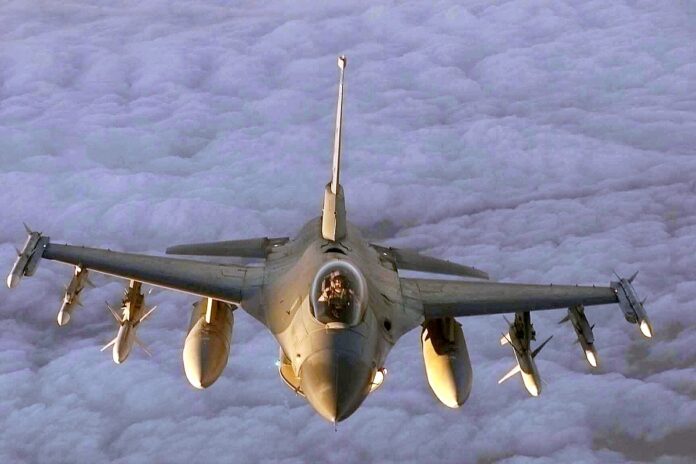
U.S. forces carried out Christmas‑Day airstrikes against Islamic State (ISIS) militants in northwest Nigeria.
Officials said the operation targeted cells accused of attacks on civilians and religious communities.
The strikes underline a renewed U.S. focus on counterterrorism partnerships in Africa.
What Happened
U.S. military forces conducted targeted airstrikes against Islamic State militants in northwest Nigeria on Christmas Day, aiming at cells accused of carrying out attacks against civilians and religious communities. According to U.S. and Nigerian officials, the operation focused on remote militant positions believed to be used for planning and staging assaults. The mission was carried out with coordination from Nigerian authorities, reflecting a cooperative security posture rather than unilateral action.
The strikes came amid growing concern about the expansion of ISIS‑linked groups across parts of West Africa, where insurgent activity has destabilized rural communities and strained local security forces. U.S. officials said the operation was designed to degrade operational capabilities, disrupt leadership networks, and prevent further attacks during a period of heightened risk around religious holidays. While details of the strike locations were limited, the Pentagon characterized the mission as precise and intelligence‑driven.
For Nigeria, the operation represented a high‑profile example of international counterterrorism cooperation. Nigerian officials publicly acknowledged coordination with U.S. counterparts, signaling a shared commitment to addressing extremist violence. The strikes also reinforced U.S. messaging that counterterrorism remains a core national‑security priority even as Washington balances global commitments.
Why It Matters
The strikes matter because West Africa has become one of the fastest‑growing theaters for extremist violence worldwide. ISIS‑linked groups in the Sahel and surrounding regions have expanded operations in recent years, exploiting weak governance, porous borders, and limited security resources. Attacks have displaced thousands, disrupted agriculture and trade, and strained humanitarian systems.
For the United States, the operation demonstrates continued engagement in global counterterrorism efforts and a willingness to act alongside regional partners. Preventing militant safe havens abroad is viewed as essential to limiting transnational threats and protecting allied nations. By conducting precise, coordinated strikes, U.S. officials argue they can reduce the risk of larger destabilization while supporting local forces.
Domestically, the mission also reinforces the administration’s law‑and‑order and national‑security narrative. Supporters view such actions as evidence of strong leadership against extremist threats, particularly when tied to protecting religious communities and civilians.
Political and Geopolitical Implications
Geopolitically, the airstrikes send a signal that the U.S. remains committed to security engagement in Africa at a time when rival powers are expanding their influence on the continent. Continued U.S.–Nigeria coordination may strengthen bilateral ties and encourage broader regional cooperation against extremist networks.
The operation also highlights the evolving nature of counterterrorism strategy — emphasizing intelligence sharing, partner coordination, and targeted actions rather than large‑scale troop deployments. This approach aligns with Washington’s broader effort to remain engaged while limiting long‑term military footprints.
Politically, the strikes bolster messaging around decisive action against extremist threats. They also reinforce the administration’s narrative that international partnerships can deliver results without prolonged interventions.
Implications
If sustained, coordinated operations like these could reduce militant mobility and disrupt extremist planning across parts of West Africa. Continued U.S.–Nigeria cooperation may become a model for counterterrorism partnerships elsewhere on the continent.