Story Highlights
U.S. retail activity is showing gradual improvement across key sectors.
Stabilizing consumer demand is supporting steady recovery in sales performance.
Analysts say the sector is adapting to changing spending patterns and economic conditions.
What Happened
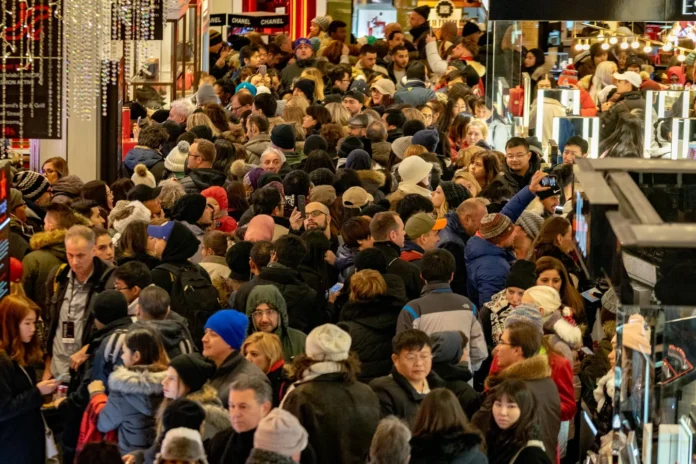
The U.S. retail sector is experiencing a gradual recovery as consumer demand stabilizes following a period of uneven economic conditions. Recent data suggests that retail sales are improving across several categories, supported by steady consumer activity and a more balanced spending environment.
According to reporting from Reuters, retailers are seeing consistent demand in essential goods, while discretionary categories such as apparel and electronics are showing signs of recovery. Although growth is not rapid, the steady pace of improvement indicates that consumer confidence remains relatively stable.
Retailers have also adapted their strategies to align with current market conditions. Many companies are focusing on inventory management, pricing strategies, and digital sales channels to optimize performance. The integration of online and in-store shopping experiences continues to play a key role in supporting overall sales growth.
At the same time, businesses are closely monitoring economic factors such as interest rates, inflation, and consumer income levels. These variables influence purchasing behavior and can affect how quickly the retail sector recovers. Despite these challenges, the overall trend suggests a move toward greater stability.
Why It Matters
The retail sector is a significant component of the U.S. economy, contributing to employment, consumer spending, and overall economic activity. Changes in retail performance often reflect broader economic trends, making the sector an important indicator of economic health.
A gradual recovery in retail sales suggests that consumers are maintaining a steady level of spending, even in a shifting economic environment. This stability is important for businesses, as it allows them to plan operations, manage inventory, and invest in growth initiatives with greater confidence.
Retail activity also has a direct impact on employment. The sector supports millions of jobs across the country, from store operations and logistics to management and marketing roles. As sales improve, retailers may increase hiring or expand operations, contributing to broader economic growth.
In addition, retail trends influence supply chains and production. Increased demand for goods can drive activity in manufacturing, transportation, and distribution, creating a ripple effect across multiple industries.
Economic and Industry Context
The recovery in the retail sector is closely tied to broader economic conditions. Consumer spending is influenced by factors such as income levels, employment stability, and access to credit. As these factors remain relatively stable, they provide a foundation for consistent retail activity.
The Federal Reserve plays an important role in shaping these conditions through monetary policy. Interest rates affect borrowing costs for consumers, influencing purchasing decisions for items such as homes, vehicles, and discretionary goods.
Inflation also affects retail performance by influencing the cost of goods and services. When prices rise, consumers may adjust their spending habits, focusing on essential purchases while reducing discretionary spending. Retailers must adapt to these changes by adjusting pricing strategies and product offerings.
Technological advancements continue to reshape the retail landscape. E-commerce platforms, digital payment systems, and data analytics tools are enabling businesses to better understand consumer behavior and optimize operations. The ability to integrate online and offline sales channels has become a key competitive advantage.
Globally, similar trends are being observed in other major economies, where retail sectors are stabilizing after periods of volatility. This reflects broader shifts in consumer behavior and economic conditions.
Implications
If current trends continue, the U.S. retail sector may move toward a more stable and sustainable growth path. Gradual improvements in sales, combined with adaptive business strategies, could support long-term resilience in the industry.
For businesses, the focus will likely remain on efficiency, customer experience, and digital transformation. Companies that successfully adapt to changing consumer preferences may be better positioned to capture growth opportunities.
For policymakers, retail performance provides valuable insights into consumer confidence and economic stability. Continued monitoring of spending patterns will help inform decisions related to economic policy and support measures.
In the long term, the retail sector will continue to evolve as technology advances and consumer preferences change. Maintaining flexibility and innovation will be essential for businesses seeking to thrive in a dynamic economic environment.
Sources
U.S. retail sector shows gradual recovery as consumer demand stabilizes