Story Highlights
U.S. military assets repositioned in the eastern Mediterranean amid rising regional tensions
Israel continues operations targeting Iranian-linked infrastructure
Iran warns of retaliation if attacks continue
Washington stresses deterrence and support for Israel’s security
Situation Overview
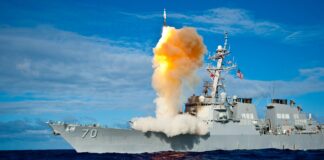
Rising tensions between Israel and Iran have prompted the United States to strengthen its military presence in the Middle East, with additional naval and air assets deployed to the eastern Mediterranean.
According to defense officials, the move is intended to reinforce deterrence and reassure regional allies as Israel continues targeting infrastructure tied to Iranian regional networks. Israeli officials say the operations are aimed at preventing the expansion of missile and drone capabilities that could threaten Israeli cities.
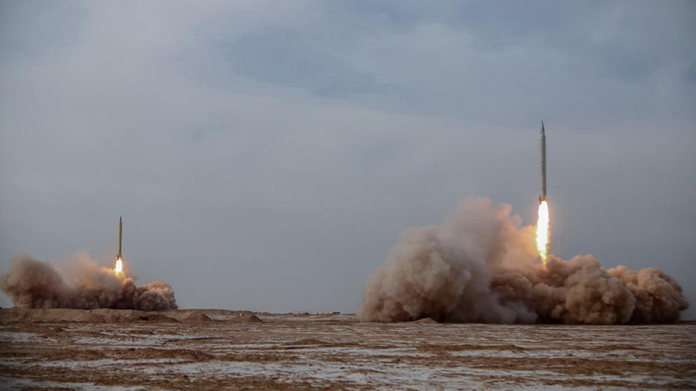
Iranian leaders have condemned the strikes, warning that continued attacks could lead to retaliation. Tehran has also conducted missile readiness exercises and military drills, signaling it is prepared to respond if tensions escalate further.
Key Developments
Several developments have intensified the standoff in recent days:
Israel reportedly struck sites linked to Iranian military logistics networks.
U.S. naval forces repositioned closer to potential flashpoints.
Iranian officials issued warnings of “serious consequences” if strikes continue.
Regional security alerts increased across multiple Middle Eastern countries.
Military analysts say the deployments are designed primarily to deter escalation rather than prepare for direct combat operations.
Why It Matters
The confrontation between Israel and Iran has long been one of the most volatile fault lines in global geopolitics. Iran’s missile programs and regional alliances have repeatedly raised security concerns among Western governments and Israel.
During the presidency of Donald Trump, U.S. policy toward Iran shifted sharply. The Trump administration withdrew from the nuclear agreement and implemented a “maximum pressure” sanctions campaign designed to limit Iran’s ability to finance regional operations.
Supporters of Trump argue that the policy created stronger deterrence and forced Tehran into a more defensive posture. Many conservative policymakers now argue that restoring a firm deterrence strategy remains essential to preventing broader conflict in the region.
Strategic Implications
Security experts are watching several indicators that could determine whether the situation stabilizes or escalates:
Possible Iranian missile or proxy responses
Additional Israeli air or cyber operations
Expanded U.S. naval or air deployments
Activity among Iran-aligned regional groups
Even a limited confrontation could have ripple effects across global energy markets and shipping routes, particularly if tensions disrupt oil supply routes through the Middle East.
What Comes Next
While none of the parties involved appear eager for a full-scale war, analysts warn that the region remains extremely volatile. A single miscalculation or large-scale strike could rapidly trigger a broader military confrontation.
For the United States, the crisis underscores the continued importance of strategic leadership and deterrence in one of the world’s most sensitive geopolitical regions.