Story Highlights
U.S. manufacturing output remains stable despite global economic uncertainty.
Key industries continue to maintain consistent production levels.
Analysts say resilience in manufacturing supports broader economic stability.
What Happened
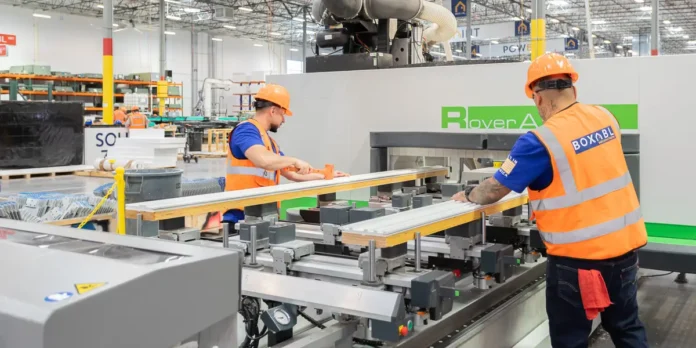
Recent data indicates that U.S. manufacturing activity is holding steady, with production levels remaining consistent across several major industries. Despite ongoing global economic uncertainty, the sector has demonstrated resilience, supported by stable demand and continued industrial output.
According to reporting from Reuters, manufacturing indicators show that factories across the United States are maintaining production levels even as external pressures—such as global supply chain shifts and changing demand patterns—continue to influence the broader economic environment. While growth has not accelerated significantly, the ability to sustain output reflects underlying strength in the sector.
Key industries, including machinery, automotive components, and industrial goods, have contributed to this stability. Businesses have adapted to evolving conditions by improving operational efficiency, managing inventory more effectively, and investing in technology to enhance productivity. These adjustments have helped manufacturers navigate uncertainty while maintaining consistent performance.
At the same time, companies are taking a cautious approach to expansion. While production remains stable, firms are closely monitoring economic indicators such as demand trends, input costs, and global market conditions before making significant investment decisions.
Why It Matters
Manufacturing is a critical component of the U.S. economy, contributing to employment, exports, and overall economic output. Stable manufacturing activity provides a foundation for broader economic stability, supporting industries such as logistics, retail, and construction.
Consistent production levels help ensure that supply chains remain functional and reliable. When manufacturers maintain steady output, it reduces the risk of disruptions that could affect businesses and consumers. This is particularly important in sectors that rely on timely delivery of goods and materials.
The manufacturing sector also plays a key role in job creation. While automation and technological advancements have changed the nature of industrial work, the sector continues to provide employment opportunities across a range of skill levels. Stability in manufacturing can help support workforce confidence and economic security.
In addition, manufacturing activity influences trade performance. As a major exporter of industrial goods, the United States benefits from consistent production levels that support international trade relationships and contribute to economic growth.
Economic and Industry Context
Manufacturing trends are closely linked to broader economic conditions, including consumer demand, business investment, and global trade dynamics. The current stability reflects a balance between these factors, with steady demand supporting production even as external uncertainties persist.
The Federal Reserve monitors manufacturing activity as part of its assessment of economic performance. Industrial output data provides insights into business confidence, investment patterns, and overall economic momentum.
Global factors also play an important role. Changes in international trade policies, energy prices, and supply chain conditions can influence manufacturing performance. In recent years, companies have focused on improving supply chain resilience by diversifying sourcing and increasing domestic production capabilities.
Technological advancements are reshaping the manufacturing landscape. Automation, robotics, and data analytics are enabling companies to operate more efficiently and adapt to changing conditions. These innovations are helping manufacturers maintain productivity while managing costs.
At the same time, the sector is undergoing structural changes as businesses adapt to new market realities. Companies are balancing traditional production methods with emerging technologies, creating a more dynamic and flexible industrial environment.
Implications
If current trends continue, stable manufacturing activity could provide a strong foundation for overall economic growth. Consistent output supports supply chains, employment, and trade, all of which contribute to economic resilience.
For businesses, the focus will likely remain on efficiency and adaptability. Companies that invest in technology and optimize operations may be better positioned to navigate future challenges and capitalize on growth opportunities.
For policymakers, steady manufacturing performance offers a positive signal about the health of the industrial sector. Continued monitoring will be important to ensure that the sector remains resilient in the face of evolving global conditions.
In the long term, the ability of U.S. manufacturing to maintain stability while adapting to change will be critical for sustaining economic competitiveness. Investments in innovation, workforce development, and infrastructure will play a key role in shaping the future of the sector.
Sources
U.S. manufacturing activity remains steady amid global uncertainty