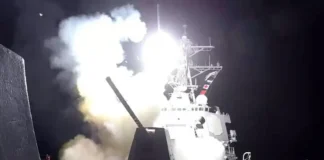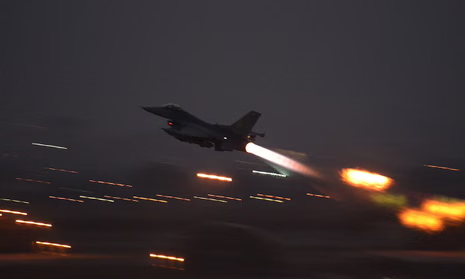
U.S. forces carried out targeted airstrikes against Iranian-backed militia facilities in Iraq after recent attacks threatened American military personnel and regional bases, U.S. defense officials confirmed. The operation focused on weapons storage sites and operational hubs used by militant groups believed to be responsible for drone and rocket attacks targeting U.S. assets.
Pentagon officials said the strikes were intended to deter further attacks and send a clear message that assaults on American forces will be met with decisive military action.
Situation Overview
According to defense officials, U.S. aircraft struck several facilities linked to Iran-aligned militias operating in Iraq. Intelligence assessments indicated the locations were used for storing drones, missiles, and other weapons involved in recent attacks on American personnel.
The operation was described as a defensive response to protect U.S. troops and prevent further attacks on coalition forces in the region.
Military officials said the strikes were carefully targeted to minimize civilian risk.
Strategic Context
Iran-aligned militias across Iraq and Syria have periodically targeted U.S. bases using rockets and drones.
Security analysts say these groups operate as part of a broader regional network aligned with Iran’s strategy of exerting pressure on American forces without direct state-to-state confrontation.
The U.S. military maintains several bases in Iraq as part of international efforts to counter extremist groups and stabilize the region.
Regional Implications
Military experts warn that such strikes can influence security dynamics across the Middle East.
Key risks analysts are monitoring include:
Possible retaliatory drone or rocket attacks against U.S. bases
Increased activity by Iran-aligned militias in Iraq and Syria
Expanded U.S. military operations in the region
Rising tensions between Washington and Tehran
While the strikes targeted specific militant infrastructure, analysts say the broader regional confrontation remains complex and volatile.
Global Security Implications
The incident highlights the ongoing strategic rivalry between the United States and Iran across the Middle East.
Washington continues to maintain a military presence in the region to support allies and protect international security interests. Meanwhile, Iran and its allied groups remain active across several countries, including Iraq, Syria, and Yemen.
Geopolitical analysts say these proxy confrontations could affect regional stability and energy markets if tensions escalate.
What Analysts Are Watching
Security experts say the next phase of the situation may depend on several developments:
Whether Iran-aligned militias launch additional attacks
Further U.S. military responses targeting militant infrastructure
Diplomatic communication between Washington and Tehran
Regional security coordination among U.S. allies
While the current strikes appear limited in scope, analysts warn that retaliatory cycles could raise tensions in the region.
Bottom Line
The latest U.S. airstrikes against Iranian-backed militia sites demonstrate Washington’s readiness to respond to threats against its forces in the Middle East. As tensions between the United States and Iran-aligned groups continue, the situation remains a closely watched geopolitical flashpoint.