Story Highlights
Recent employment indicators suggest steady hiring across multiple sectors of the U.S. economy.
Economists say industries such as healthcare, services, and construction continue adding workers.
Stable employment trends remain an important indicator of broader economic resilience.
What Happened
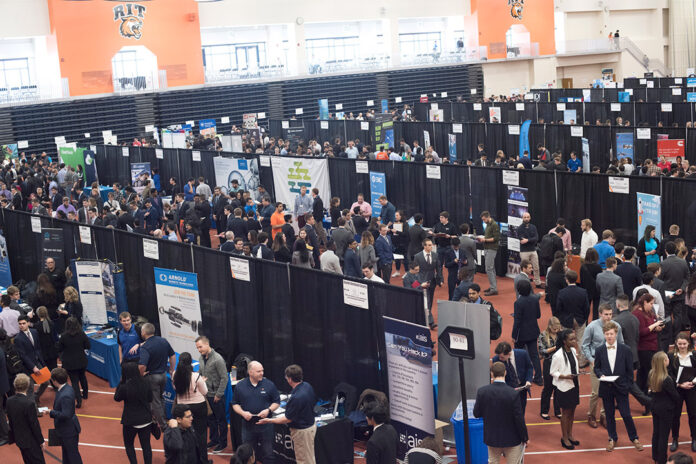
Recent employment data indicates that the U.S. labor market continues to demonstrate steady growth, with employers adding jobs across a variety of industries. Hiring activity has remained consistent in sectors such as healthcare, professional services, hospitality, and construction, suggesting continued demand for workers in key parts of the economy.
According to reporting from Reuters, economists say recent employment indicators show that businesses remain confident enough to continue expanding their workforce. While hiring levels can fluctuate month‑to‑month, the broader trend reflects a relatively stable employment environment.
Labor market reports are closely watched by policymakers, investors, and economists because they offer insights into consumer spending power and overall economic activity. When companies continue hiring, it typically signals expectations of sustained demand for goods and services.
Why It Matters
Employment growth plays a central role in the overall health of the U.S. economy. A strong labor market supports household incomes, which in turn drives consumer spending across sectors such as retail, housing, travel, and entertainment. Because consumer spending accounts for a large portion of economic activity in the United States, stable employment levels can contribute to broader economic stability.
Job creation also encourages business investment. When companies anticipate sustained demand, they are more likely to invest in expansion projects, equipment upgrades, and workforce training programs. These investments can strengthen productivity and support long‑term economic growth.
Additionally, labor market trends influence financial markets and policy decisions. Central banks and government agencies often analyze employment data alongside inflation and productivity indicators when assessing the broader economic outlook.
Political and Economic Context
The resilience of the U.S. labor market has become an important topic in economic discussions over the past several years. Even during periods of global economic uncertainty, hiring in many sectors has remained relatively strong.
Government agencies monitor employment statistics such as job growth, unemployment rates, wage increases, and workforce participation. These indicators provide valuable insight into how the economy is evolving and whether policy adjustments may be needed.
In addition, workforce development initiatives have become a focus for policymakers seeking to ensure that workers have the skills needed for emerging industries. Investments in training programs and education can help prepare workers for technological changes and evolving labor market demands.
Implications
If job growth continues at a steady pace, the United States may maintain strong economic momentum in the months ahead. A stable labor market can support consumer confidence, encourage business investment, and strengthen overall economic resilience.
Economists will continue monitoring indicators such as wage growth, labor participation, and productivity trends to determine whether the current pace of hiring remains sustainable over the long term. These factors will play an important role in shaping future economic policy discussions.