Story Highlights
The U.S. labor market continues to expand at a steady pace.
Wage growth remains moderate, signaling balanced conditions.
Analysts say employment stability is supporting broader economic resilience.
What Happened
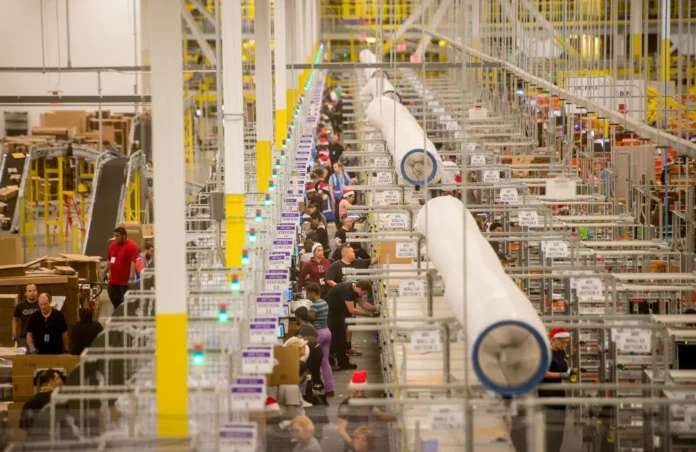
Recent employment reports indicate that the U.S. labor market continues to grow steadily, with consistent hiring across a wide range of industries. While the pace of job creation has moderated compared to earlier surges, overall employment levels remain strong, reflecting a stable and resilient economic environment.
According to Reuters, sectors such as healthcare, construction, logistics, and professional services are continuing to add jobs. At the same time, other industries are maintaining stable workforce levels, suggesting that businesses are taking a measured approach to hiring while adapting to current economic conditions.
Wage growth has remained moderate, which economists interpret as a sign of balance between labor demand and supply. Workers are experiencing income gains, but not at a pace that would significantly increase inflationary pressure. This equilibrium is considered a positive indicator for maintaining overall economic stability.
Employers are also focusing on long-term workforce strategies rather than rapid expansion. Many companies are prioritizing efficiency, productivity improvements, and employee retention, reflecting a cautious yet confident outlook on future growth.
Why It Matters
The labor market plays a central role in shaping economic performance. Stable employment levels provide households with reliable income, which supports consumer spending and overall economic activity.
For individuals, consistent job availability enhances financial security. When workers feel confident in their employment, they are more likely to spend, invest, and plan for the future. This sustained consumer activity is a key driver of economic growth.
For businesses, a steady labor market offers predictability. Companies can manage operations, control costs, and plan expansion when workforce conditions are stable. This helps maintain productivity and competitiveness, particularly in sectors that rely on skilled labor.
Wage trends are also important. Moderate wage increases support consumer spending without creating excessive inflationary pressure. This balance contributes to a more stable economic environment and allows growth to continue sustainably.
Economic and Policy Context
Labor market conditions are closely connected to broader economic factors such as inflation, interest rates, and overall growth. The Federal Reserve plays a key role in influencing these conditions through monetary policy.
Interest rate decisions impact both business investment and consumer spending, which in turn affect employment levels. A stable labor market provides policymakers with flexibility, allowing them to adjust policies without significantly disrupting economic activity.
Inflation remains an important consideration. Moderate wage growth suggests that labor-related inflation pressures are contained, supporting efforts to maintain price stability across the economy.
Additionally, long-term factors such as demographic trends, workforce participation, and skill development continue to shape labor market dynamics. These elements influence how supply and demand evolve over time, impacting future employment patterns.
Globally, many advanced economies are experiencing similar trends of steady employment and controlled wage growth. This reflects broader economic conditions and highlights the interconnected nature of labor markets worldwide.
Implications
If current trends persist, the U.S. labor market is likely to remain a key pillar of economic stability. Steady job creation and balanced wage growth can support continued expansion while minimizing the risk of volatility.
For businesses, the stable employment environment provides opportunities to invest in workforce development and productivity improvements. Companies that focus on innovation and efficiency may be better positioned for long-term success.
For policymakers, labor market data will continue to be a critical factor in shaping economic decisions. Monitoring employment trends will help guide policies related to interest rates, economic support measures, and long-term growth strategies.
In the broader context, a resilient labor market supports not only economic stability but also improved living standards. As conditions evolve, maintaining flexibility and adaptability in both policy and workforce strategies will be essential for sustaining growth.
Sources
U.S. labor market shows steady expansion with consistent hiring trends