

Story Highlights
-
U.S. and Iranian negotiators concluded another round of nuclear talks in Geneva.
-
Iranian officials characterized the discussions as the “most intense so far.”
-
Talks ended without a breakthrough but remain ongoing.
What Happened
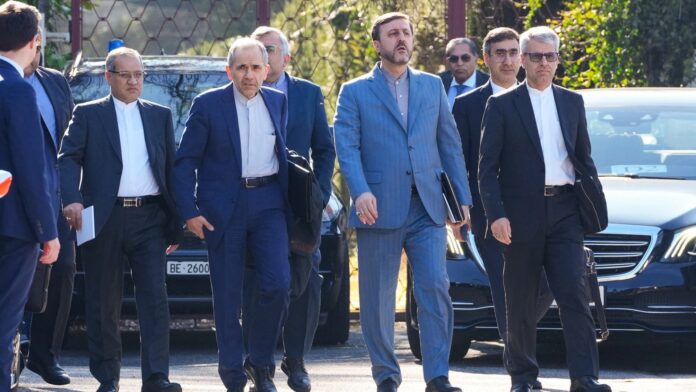
The latest round of nuclear negotiations between the United States and Iran concluded in Geneva after what Iranian officials described as the most intense discussions to date. According to reporting by The Times of India, both delegations engaged in extended sessions focused on sanctions relief, uranium enrichment limits, and monitoring protocols.
Despite the intensity, the talks ended without a finalized agreement. Diplomats from both sides signaled that progress was made in clarifying positions, though key differences remain unresolved. Mediators emphasized that dialogue will continue, reflecting a mutual interest in preventing escalation.
The discussions unfold amid broader regional uncertainty. With tensions simmering across the Middle East, nuclear negotiations have taken on heightened urgency for policymakers concerned about stability and nonproliferation.
Why It Matters
Characterizing the talks as unusually intense suggests that negotiators are moving beyond surface-level exchanges toward substantive bargaining. While no agreement was reached, the willingness to sustain engagement indicates that both sides see value in diplomacy.
Energy markets, global investors, and regional governments are closely monitoring developments. Even incremental diplomatic progress can temper market volatility, while stalled talks can renew concerns about sanctions, energy supply disruptions, or military escalation.
For the U.S., nuclear diplomacy intersects with broader strategic priorities, including alliance management and regional deterrence. For Iran, negotiations carry economic implications tied to sanctions relief and domestic political considerations.
Political and Geopolitical Implications
Geopolitically, continued engagement reflects an effort to manage strategic rivalry without tipping into confrontation. The talks also influence U.S. relations with regional partners who maintain strong views on Iran’s nuclear capabilities.
Politically, nuclear negotiations remain a debated issue in Washington. Lawmakers are likely to scrutinize any future agreement, particularly regarding enforcement and verification standards. In Iran, leadership must balance international engagement with domestic expectations.
The absence of a deal keeps pressure on both sides while preserving diplomatic space. That dynamic may shape the tempo and tone of future rounds.
Implications
The Geneva talks underscore how fragile but persistent nuclear diplomacy remains. While no breakthrough occurred, continued dialogue reduces the likelihood of immediate escalation. The coming weeks will determine whether the intensity of negotiations translates into measurable progress.
Sources
“’Most intense so far’: US-Iran conclude latest round of nuclear talks in Geneva”
