Story Highlights
Recent data suggests U.S. inflation pressures may be stabilizing.
Policymakers remain cautious as they monitor price trends and economic indicators.
Economists say inflation trends could influence future monetary policy decisions.
What Happened
Recent economic data indicates that inflation in the United States may be showing signs of stabilization after a period of elevated price pressures. While inflation has not fully returned to long-term targets, the pace of price increases appears to be moderating in several key categories, including goods and certain services.
According to reporting from Reuters, policymakers and economists are closely analyzing recent data releases to assess whether the current trend represents a sustained shift or a temporary adjustment. Key indicators such as consumer price levels, wage growth, and supply chain conditions are being monitored to determine the direction of inflation in the coming months.
Officials noted that improvements in supply chain efficiency and easing pressures in certain sectors have contributed to the stabilization trend. At the same time, some areas of the economy continue to experience persistent price pressures, particularly in services-related categories. This mixed picture highlights the complexity of managing inflation in a dynamic economic environment.
The current phase reflects a transition from earlier periods of rapid price increases toward a more balanced and controlled trajectory. However, policymakers emphasize that continued vigilance is necessary to ensure that inflation remains on a sustainable path.
Why It Matters
Inflation is one of the most important factors influencing economic stability. Changes in price levels affect consumers, businesses, and financial markets, shaping decisions related to spending, investment, and policy.
For consumers, inflation directly impacts purchasing power. When prices rise quickly, households may need to adjust spending habits, focusing on essential goods and services. Stabilizing inflation can help restore confidence by providing greater predictability in costs and improving financial planning.
For businesses, inflation influences operating costs, pricing strategies, and profit margins. Stable inflation allows companies to make more accurate forecasts and investment decisions, supporting long-term growth and efficiency.
Financial markets also respond to inflation trends. Investors closely monitor price data to assess economic conditions and anticipate potential policy changes. Stable inflation can contribute to a more predictable investment environment, reducing volatility and supporting market confidence.
Economic and Policy Context
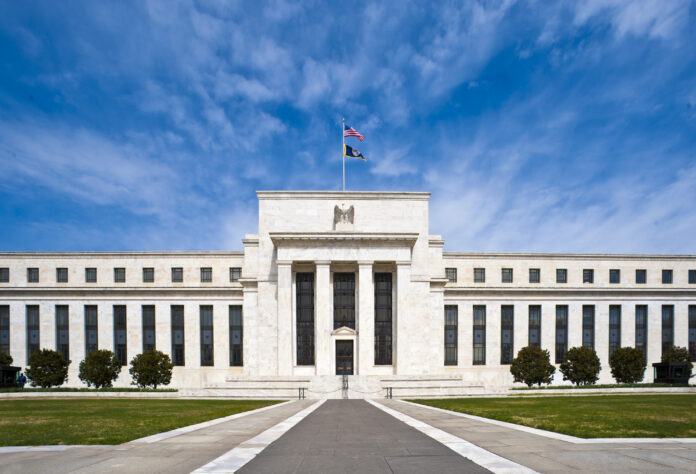
Inflation trends are closely tied to broader economic conditions, including interest rates, employment levels, and global market dynamics. The Federal Reserve plays a central role in managing inflation through monetary policy.
The Federal Reserve uses interest rate adjustments as a primary tool to influence economic activity and control price levels. Higher interest rates can reduce spending and investment, helping to slow inflation, while lower rates can stimulate economic activity. The current cautious approach reflects the need to balance these factors carefully.
Global influences also play a role in shaping inflation. Energy prices, supply chain conditions, and international trade dynamics can all impact domestic price levels. As a result, policymakers must consider both domestic and global factors when evaluating inflation trends.
In addition, structural changes in the economy—such as technological advancements and shifts in consumer behavior—can influence long-term inflation patterns. Understanding these factors is essential for developing effective policy responses.
Implications
If inflation continues to stabilize, it could create a more favorable environment for economic growth. Consumers may regain confidence in their purchasing power, while businesses could benefit from more predictable cost structures.
For policymakers, sustained stabilization may provide greater flexibility in managing interest rates and supporting economic expansion. However, any future decisions will depend on continued data analysis and evolving economic conditions.
In the long term, maintaining stable inflation will be essential for supporting economic resilience and financial stability. Policymakers, businesses, and consumers will all play a role in adapting to changing conditions and ensuring sustainable growth.
Sources
U.S. inflation shows signs of stabilizing as policymakers remain cautious