Story Highlights
U.S. inflation continues to show gradual easing across key sectors.
Price pressures are moderating, though some areas remain elevated.
Economists say trends may influence upcoming monetary policy decisions.
What Happened
Recent economic data indicates that inflation in the United States is continuing its gradual easing trend, with price increases slowing across several major sectors. While inflation remains above long-term targets, the pace of increase has moderated compared to earlier periods, signaling a shift toward more balanced price conditions.
According to reporting from Reuters, improvements in supply chain efficiency and stabilization in goods prices have contributed to the easing trend. Categories such as consumer goods, including electronics and household items, are showing clearer signs of normalization. However, some sectors—particularly housing and services—continue to experience relatively higher price pressures.
Policymakers and economists are closely monitoring a range of indicators, including consumer price data, wage growth, and overall demand patterns. The current data suggests that inflation is moving toward a more stable trajectory, although uneven trends across sectors highlight the complexity of the economic environment.
The moderation in inflation reflects a combination of factors, including earlier monetary policy actions, shifts in consumer demand, and improvements in global supply chains. While challenges remain, the overall direction indicates progress toward achieving price stability.
Why It Matters
Inflation is a critical factor shaping economic conditions, affecting consumers, businesses, and financial markets. Changes in price levels directly influence purchasing power, cost structures, and economic confidence.
For consumers, easing inflation can help restore purchasing power. When prices rise more slowly, households are better able to manage expenses and maintain consistent spending. This can lead to improved financial stability and stronger consumer confidence.
For businesses, moderating inflation reduces cost pressures and increases predictability. Companies can make more accurate pricing decisions, manage supply chains effectively, and plan investments with greater certainty. This supports operational efficiency and long-term growth.
Financial markets also respond to inflation trends. Investors closely monitor price data to anticipate potential policy changes. A more stable inflation environment can reduce uncertainty, leading to improved market confidence and more consistent investment flows.
Economic and Policy Context
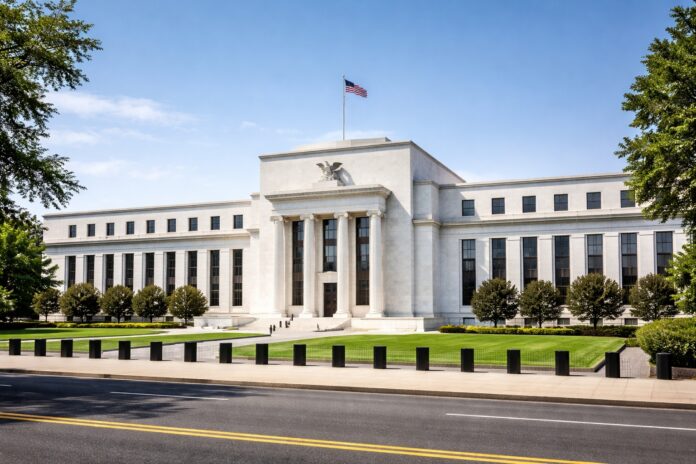
Inflation trends are closely tied to broader economic conditions, including interest rates, employment levels, and global market dynamics. The Federal Reserve plays a central role in managing inflation through monetary policy.
Interest rate adjustments are one of the primary tools used to influence inflation. Higher rates can slow demand and reduce price pressures, while lower rates can stimulate economic activity. The current environment reflects a cautious approach, as policymakers aim to balance economic growth with price stability.
Global factors also play a role in shaping inflation. Energy prices, trade conditions, and supply chain developments can all impact domestic price levels. As global markets stabilize, they can contribute to easing inflationary pressures within the United States.
Technological advancements and productivity improvements are additional factors influencing inflation trends. Increased efficiency in production and distribution can help moderate costs, while changes in consumer behavior affect demand across sectors.
Implications
If inflation continues to ease, it could create a more stable environment for economic growth. Consumers may benefit from improved purchasing power, while businesses experience reduced cost volatility and better planning conditions.
For policymakers, sustained moderation in inflation may provide greater flexibility in shaping monetary policy. Decisions regarding interest rates and economic support measures will depend on how inflation trends evolve in the coming months.
For businesses and investors, a stable inflation environment supports long-term decision-making. Companies can invest in growth initiatives, while financial markets may experience reduced volatility.
In the broader context, managing inflation effectively is essential for maintaining economic stability and supporting sustainable growth. Continued monitoring and balanced policy responses will be key to ensuring that inflation remains on a stable path.
Sources
U.S. inflation continues easing trend across key sectors