Story Highlights
• The Trump administration announced a fresh round of sanctions targeting Iranian officials and institutions.
• The measures focus on prisons, security agencies, and financial networks linked to protest crackdowns.
• Officials say the action is intended to increase pressure without escalating military conflict.
What Happened
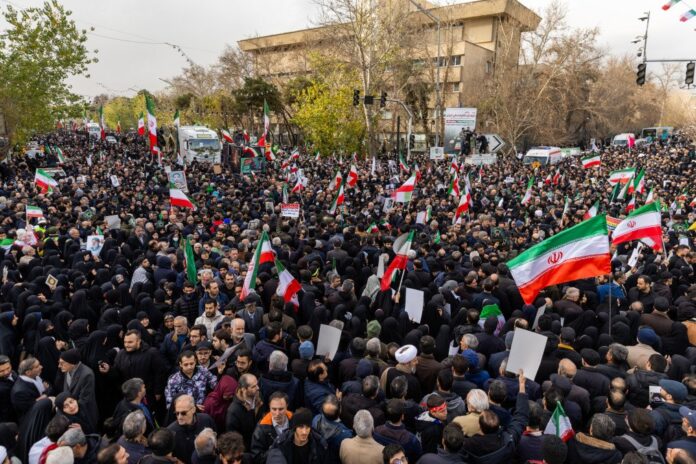
The United States announced a new package of sanctions against Iran, targeting senior officials, prison authorities, and financial entities accused of involvement in the government’s crackdown on nationwide protests. According to U.S. officials, the sanctions aim to penalize those responsible for detentions, violence against demonstrators, and efforts to restrict communications during unrest.
The measures include asset freezes and restrictions on access to the U.S. financial system. U.S. officials said the sanctions also target so‑called “shadow banking” networks used to move funds and bypass existing restrictions. The announcement comes as protests in Iran continue despite heightened security deployments and internet disruptions imposed by authorities.
Iran’s government has rejected U.S. accusations, calling the sanctions unlawful and politically motivated. Tehran maintains that it is responding to internal security threats and has accused foreign governments of interference.
Why It Matters
Sanctions remain one of Washington’s primary tools for exerting pressure on Iran short of direct military action. By focusing on individuals, prisons, and financial intermediaries linked to repression, the U.S. is signaling that accountability for domestic crackdowns is a priority alongside nuclear and regional security concerns.
For Iran’s economy, additional sanctions add strain to an already fragile financial system. Restrictions on banking channels and officials can complicate trade, limit access to foreign currency, and discourage foreign firms from engaging with Iranian counterparts. For protesters, the move is intended to show international attention, though sanctions do not directly change conditions on the ground.
Political and Geopolitical Implications
Domestically, the sanctions align with the Trump administration’s broader Iran strategy of sustained economic and diplomatic pressure. Officials argue that targeted measures allow Washington to respond firmly while avoiding wider conflict.
Internationally, the move may complicate diplomatic efforts by European and regional actors seeking de‑escalation. Countries that maintain limited engagement with Iran must weigh compliance with U.S. restrictions against their own diplomatic and economic interests. The sanctions also reinforce ongoing tensions between Washington and Tehran at a time of heightened regional instability.
Implications
If expanded, the sanctions could further isolate Iran’s leadership and financial networks, increasing economic pressure while stopping short of military escalation. Their effectiveness will depend on enforcement and cooperation from international partners. The development underscores that Iran’s internal unrest remains a central factor shaping U.S. foreign policy decisions.
Source
U.S. imposes new Iran‑related sanctions over protest crackdown — Reuters, Jan. 16 2026