Story Highlights
Lawmakers debate bipartisan deal to reopen federal agencies
Partial shutdown has disrupted services and furloughed workers
Vote reflects ongoing budget strain in Congress
What Happened
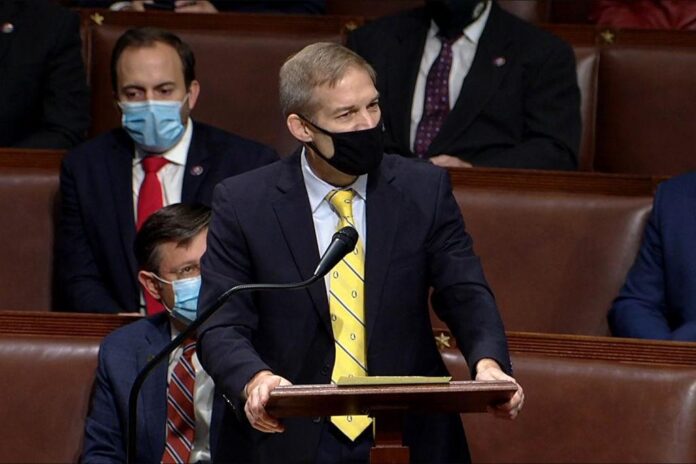
The U.S. House of Representatives took up debate on a bipartisan agreement aimed at restoring funding to several federal agencies after a partial government shutdown. The lapse in funding has affected non-essential government operations, forcing furloughs and delaying public services while Congress negotiates budget priorities.
House leaders from both parties signaled cautious optimism as the measure advanced toward a vote. The deal would temporarily fund government operations, allowing lawmakers additional time to negotiate long-term budget arrangements. While disagreements remain over spending levels and fiscal discipline, the proposal represents a near-term effort to stabilize federal operations.
Why It Matters
Government shutdowns create immediate disruptions for federal workers, contractors, and the public. Even short shutdowns can delay permits, loans, and regulatory decisions, creating ripple effects across the economy. Restoring funding helps normalize operations and reduce uncertainty for businesses and households that rely on federal services.
From a governance standpoint, repeated shutdown threats highlight structural challenges in the U.S. budget process. Temporary funding measures, while effective in the short term, often postpone deeper debates about spending priorities and deficit management.
Political & Geopolitical Implications
Politically, the funding debate underscores the difficulty of reaching durable fiscal agreements in a closely divided Congress. Bipartisan cooperation on stopgap measures contrasts with sharper divisions over long-term budget reforms, suggesting that shutdown risks may persist.
Geopolitically, even partial shutdowns draw attention from global partners and investors. The ability of the U.S. government to maintain consistent operations is closely watched as a signal of political stability and institutional reliability.
Implications
If approved, the funding deal would reopen affected agencies and provide temporary relief from shutdown pressures. However, without broader budget consensus, similar standoffs are likely to reemerge, keeping fiscal uncertainty a recurring feature of U.S. politics.