

Story Highlights
• Trump signals prolonged U.S. oversight of Venezuela’s governance and oil revenue.
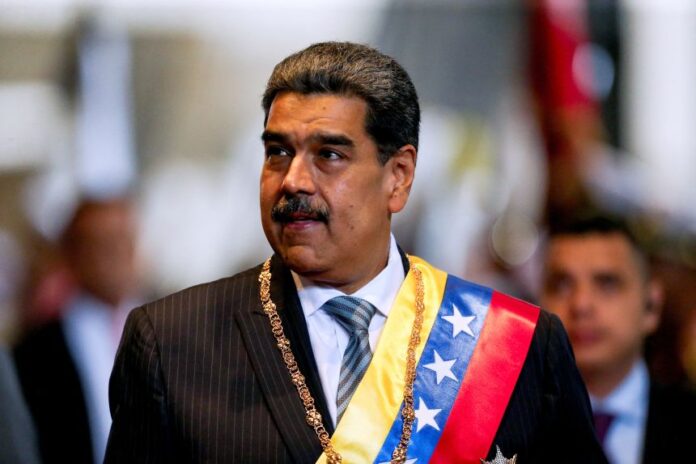
• Policy shifts after U.S. forces captured Nicolás Maduro on Jan. 3.
• Strategy includes selling Venezuelan oil to fund economic “stabilization.”
What Happened
In a Jan. 8 interview with The New York Times, President Donald Trump told reporters that U.S. “oversight” of Venezuela could last “much longer” than just months, suggesting potentially years of involvement in the country’s transitional governance following the recent capture of President Nicolás Maduro. Trump described a plan for the United States to rebuild Venezuela “in a very profitable way,” including refining and selling up to 50 million barrels of Venezuelan oil previously blocked under sanctions and using the proceeds to lower global oil prices and provide revenues to support Venezuelans and U.S. interests. Trump also noted that senior U.S. officials, including Secretary of State Marco Rubio, communicate frequently with Venezuela’s interim authorities about this strategy.
Why It Matters
This marks a significant departure from traditional U.S. foreign policy, where long-term occupation or direct economic control of another sovereign state’s resources is rare. The United States has not formally annexed Venezuela, and Trump’s statement stops short of claiming formal governance; however, his emphasis on long-term oversight and economic control — particularly of oil revenues, a central pillar of Venezuela’s economy — signals Washington’s intent to influence the country’s reconstruction and political transition. The approach also includes engaging major U.S. energy firms to help rebuild Venezuela’s oil infrastructure.
Political and Geopolitical Implications
Domestically, Trump’s comments are likely to provoke debate over presidential authority in foreign interventions and the use of military force and economic leverage without explicit congressional approval. Critics argue the policy risks entangling the U.S. in another prolonged foreign commitment. Internationally, the move reshapes U.S.–Latin America relations, raising alarms in regional capitals wary of American influence in sovereign affairs — especially after a direct military operation that ousted Venezuela’s president. The strategy also carries implications for global energy markets, as Venezuelan oil production and exports could significantly alter supply dynamics if integrated into U.S. markets.
Implications:
If the U.S. truly governs Venezuelan economic levers for years, it could set a new precedent for how Washington engages failed or unstable states — blurring lines between stabilization and de facto control. This will fuel legal and ethical questions at home and abroad about sovereignty, long-term military involvement, and the role of U.S. economic interests in foreign policy.
Sources:
• Trump says U.S. oversight of Venezuela could last years — Reuters.


