Story Highlights
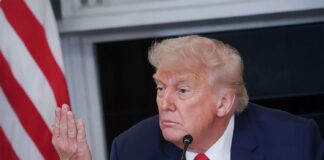
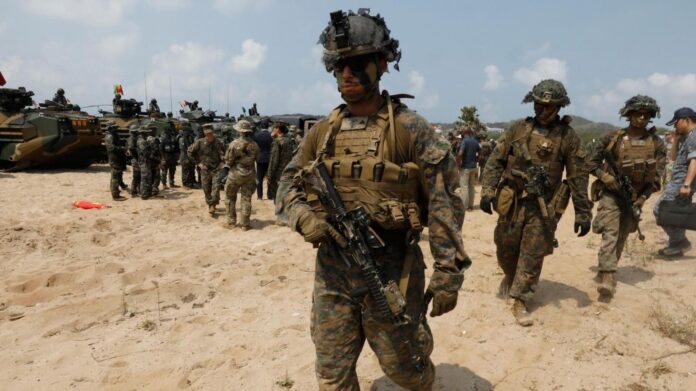
Donald Trump authorized the deployment of thousands of U.S. Marines to the Middle East.
The move aims to reinforce security around the Strait of Hormuz, one of the world’s most critical maritime trade routes.
U.S. officials say the deployment is intended to deter threats to international shipping and maintain regional stability.
What Happened
The United States has deployed additional Marine forces to the Middle East as part of an effort to reinforce security around key maritime corridors. Officials said the deployment is focused on protecting commercial shipping and strengthening deterrence in the region amid rising tensions involving Iran.
According to reporting from Reuters, thousands of Marines were sent to support existing U.S. forces operating near the Strait of Hormuz, a narrow waterway connecting the Persian Gulf with the Arabian Sea. The strait is one of the most strategically important shipping routes in the world, handling a significant share of global oil exports.
Defense officials indicated that the Marine deployment will enhance the ability of U.S. forces to respond quickly to threats against maritime traffic. The troops are expected to work alongside naval units already patrolling the region to provide additional security and operational support.
Why It Matters
The Strait of Hormuz is widely considered one of the most important chokepoints in global trade. A substantial portion of the world’s oil shipments pass through the waterway each day, making it vital to global energy supply chains.
Any disruption to shipping in the region could have major economic consequences. Energy markets closely monitor security developments around the strait because even temporary disruptions could affect oil prices and global trade flows.
Military deployments designed to protect shipping routes are therefore often viewed as measures aimed at preserving economic stability. Ensuring safe passage for commercial vessels helps maintain steady energy supplies and reduces the risk of market volatility.
Political and Geopolitical Context
Security in the Persian Gulf has long been a central focus of U.S. foreign policy. For decades, the United States has maintained naval and military forces in the region to protect international shipping and support allied nations.
The deployment authorized by the Trump administration reflects a broader strategy of deterrence. Officials argue that a visible military presence can discourage potential threats to shipping lanes and reinforce commitments to regional partners.
At the same time, analysts emphasize that military deployments often operate alongside diplomatic efforts intended to reduce tensions. Maintaining stability in such a strategically important region typically involves both security measures and ongoing diplomatic engagement.
Implications
The deployment of additional Marines could strengthen maritime security and reassure international shipping operators that the United States remains committed to protecting global trade routes. If tensions remain contained, the presence of additional forces may act primarily as a deterrent.
However, developments in the Persian Gulf are closely watched by policymakers, energy markets, and international partners. The situation underscores the continuing importance of maritime security and international cooperation in maintaining stability in one of the world’s most vital economic regions.
Sources
U.S. deploys Marines as tensions rise over Strait of Hormuz security