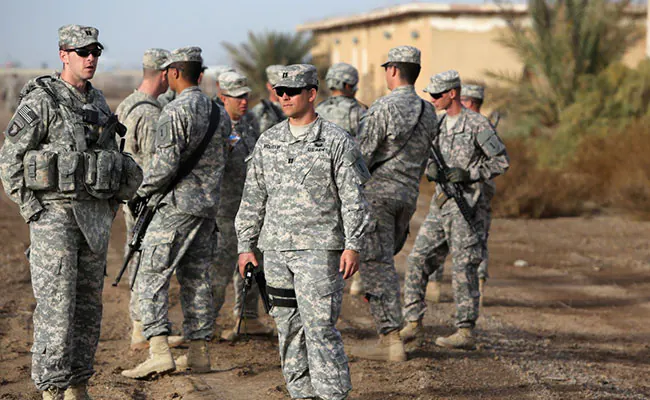
Story Highlights
- U.S. launched precision airstrikes on militia targets after attacks on American forces
- Pentagon says strikes were defensive and targeted key infrastructure
- Iran-backed groups are suspected of being behind the recent drone and rocket attacks
- Tensions raise risk of wider regional escalation
Situation Overview
The United States carried out precision airstrikes against militia targets in the Middle East following a series of attacks on American military personnel and facilities.
According to defense officials, the strikes targeted weapons depots and operational hubs used by armed groups believed to be aligned with Iran. The Pentagon described the operation as a necessary response to protect U.S. troops and deter further aggression.
Recent weeks have seen an uptick in drone and rocket attacks against U.S. bases in the region, prompting heightened security measures and military readiness.
Key Developments
- U.S. airstrikes focused on militia infrastructure and logistics hubs
- Increased drone and rocket attacks targeting American bases
- Pentagon reinforces defensive posture across regional installations
- Intelligence operations expanded to track militant activity
Officials emphasized that the strikes were carefully calibrated to avoid broader conflict while still delivering a strong deterrent message.
Why It Matters
The United States maintains a military presence across the Middle East to support regional stability and protect strategic interests.
Ongoing attacks by Iran-aligned groups highlight the challenges of operating in a region shaped by proxy conflicts and geopolitical rivalries.
Supporters of Donald Trump argue that decisive military responses are essential to safeguard American forces and maintain credibility on the global stage.
Strategic Implications
Analysts warn that continued cycles of attack and retaliation could escalate tensions.
Key concerns include:
- Increased frequency of militia attacks on U.S. personnel
- Potential for direct confrontation between U.S. and Iran
- Expansion of conflict zones across multiple Middle Eastern regions
- Impact on global energy markets and security
The situation underscores the complexity of modern warfare, where state and non-state actors operate simultaneously.
What Comes Next
Military officials say they will continue monitoring threats and respond as necessary to protect U.S. personnel.
Possible next steps include:
- Additional defensive or retaliatory operations
- Diplomatic efforts to reduce tensions
- Increased coordination with regional allies
- Enhanced security measures at U.S. bases
While both sides appear cautious about triggering a broader war, the risk of escalation remains present.