Story Highlights
• The United States has formally withdrawn from the World Health Organization.
• The Trump administration cited concerns over governance, transparency, and crisis management.
• The move marks a major shift in U.S. global health engagement.
What Happened
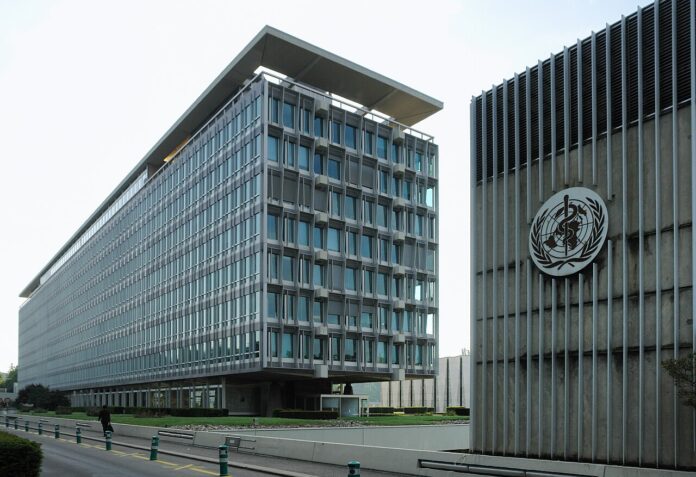
The United States has formally completed its withdrawal from the World Health Organization, ending decades of U.S. participation in the global health body, according to Reuters. The decision follows a notification process initiated under President Donald Trump, who has repeatedly criticized the WHO’s handling of international health crises.
U.S. officials said the organization failed to provide timely, transparent information during major outbreaks and showed excessive political influence in its decision‑making. The administration argued that continued participation no longer served American interests or public‑health priorities.
The withdrawal takes effect amid ongoing global debates about reforming international institutions and redefining national sovereignty in global governance.
Why It Matters
The United States has historically been one of the WHO’s largest financial contributors and most influential members. Its departure reduces both the organization’s funding base and its access to U.S. technical expertise, research networks, and data‑sharing capabilities.
For global health coordination, the exit raises questions about how future pandemics, disease surveillance, and emergency responses will be managed without direct U.S. involvement. It also signals a shift toward more nationally driven health strategies rather than multilateral frameworks.
Political and Geopolitical Implications
Politically, the move reinforces the Trump administration’s broader skepticism toward multilateral institutions. Supporters say withdrawing allows the U.S. to redirect resources toward domestic priorities and bilateral health partnerships that offer greater accountability.
Geopolitically, the exit may reshape influence within the WHO, potentially expanding the role of other major contributors. Allies expressed concern that reduced U.S. participation could weaken coordinated global responses to health emergencies, while critics of the WHO see the decision as pressure for institutional reform.
Implications
The U.S. withdrawal from the WHO marks a significant realignment in global health policy. Future cooperation on disease prevention and response is likely to shift toward bilateral agreements and alternative international frameworks. How this change affects preparedness for future health crises will be closely watched by governments and public‑health experts worldwide.
Source
U.S. completes withdrawal from World Health Organization — Reuters, Jan. 21 2026